3 hr
Vatican Museums, Sistine Chapel & St. Peter's Basilica Guided Tour
- Expert local guide
- Small group
- Skip-the-line access
- Free cancellation
Sistine Chapel Tickets — Vatican Museums Entry & Guided Access
Michelangelo painted standing, not lying, above four hundred square metres.
Compare fares, pick the fit — all bookings are mobile-voucher and eligible for free cancellation where shown.
3 hr
4 hr
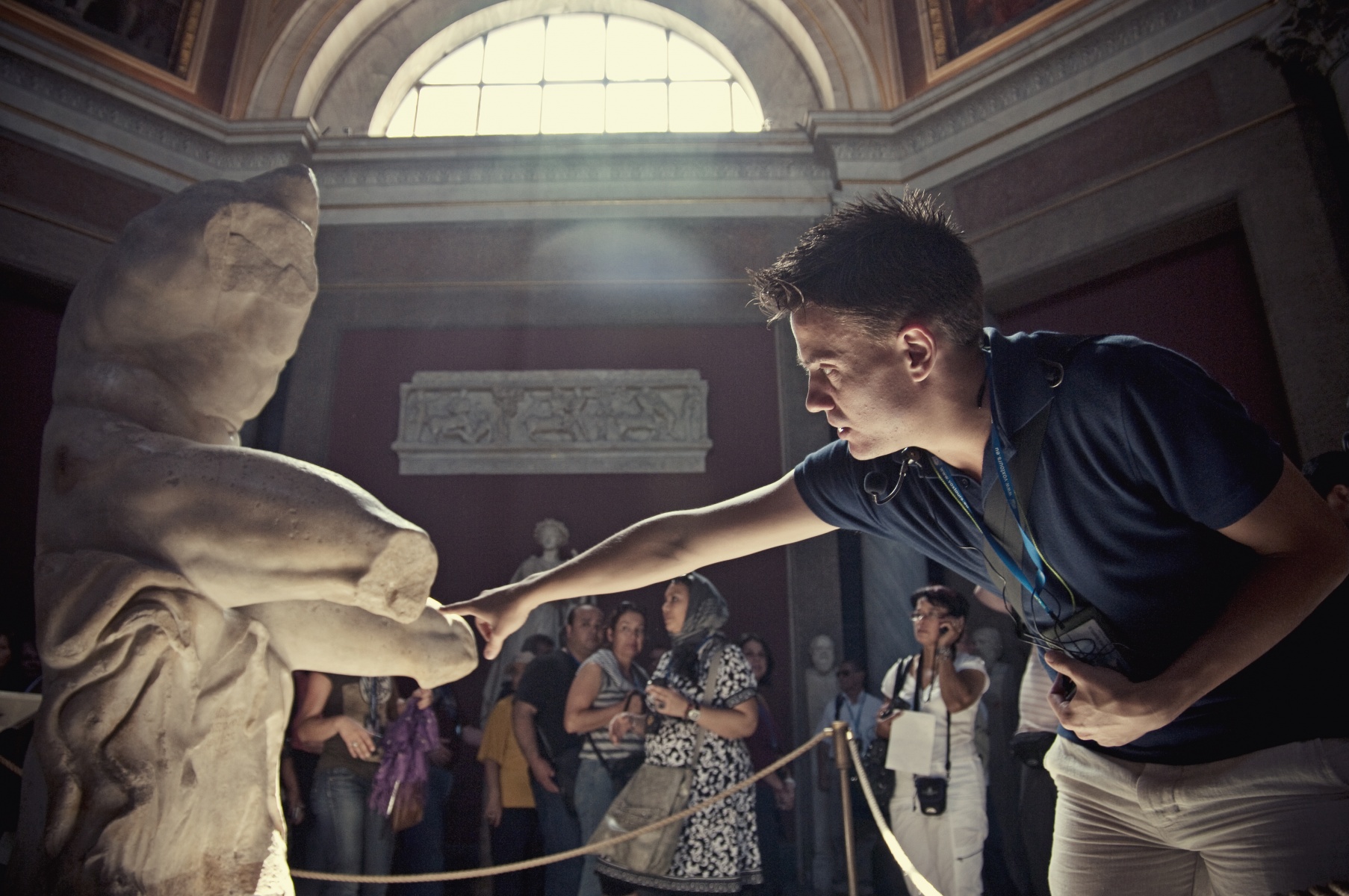
Choosing Sistine Chapel Tickets means deciding how much queue-skipping, guidance, and basilica access you actually want. Vatican Museums entry works for independent visitors, while guided and early-access formats reshape the same visit around a smaller crowd and a scheduled start.
| Standard Entry Ticket Self-guided, timed slot |
Top pick Guided Small-Group Tour With expert guide |
Early-Access Guided Tour Before public opening | |
|---|---|---|---|
| Access type | Vatican Museums & Sistine Chapel timed entry | Vatican Museums & Sistine Chapel with guide | Pre-opening entry before 8am |
| Line-skipping | Timed slot, standard queue | Priority entrance, separate line | Enters before doors open to public |
| Guide included | — | ✓ expert-led, small group | ✓ expert-led, small group |
| Typical start time | Any slot within 08:00–20:00 | Mid-morning departures | Before 08:00 opening |
| Basilica add-on availability | Not included, separate entry | Available via Scala Regia passage | Available via Scala Regia passage |
| Best for | Independent, budget-focused visitors | First-timers wanting context and flow | Visitors prioritizing quiet galleries |
| See tickets & prices |
Verdict: First-time visitors get the clearest overview of Sistine Chapel Tickets tours by choosing the guided small-group option, while early risers who value calm galleries over cost should book early access, and independent travelers can rely on the standard Sistine Chapel Tickets ticket alone.
Worth it for nearly every first-time visitor
At 20 EUR for full entry to the Vatican Museums and Sistine Chapel, Sistine Chapel Tickets are among the better value propositions in Rome. That single fee covers roughly seven kilometres of galleries — the Gallery of Maps, the Raphael Rooms, the Pio-Clementino sculpture halls, the Borgia Apartment — before you ever reach Michelangelo's ceiling and The Last Judgment. Priced per hour of serious art, few Vatican City landmarks come close. Arrive between 08:00 and 09:30, when queues are shortest, and the money stretches further still; roll in at midday and you are paying the same twenty euros for a slower shuffle through packed corridors. Skip-the-line Vatican Museums entry costs more but buys back time. The value case weakens only for travellers with under two hours, or anyone who dislikes crowds enough that the Cappella Sistina experience turns into endurance. Everyone else gets a fresco cycle that no reproduction has ever matched.
Bottom line: Book Sistine Chapel Tickets tickets for an early slot and the 20 EUR pays for itself before you reach the chapel — a midday Sistine Chapel Tickets tour is where the value starts to slip.
Hand-picked experiences loved by thousands of travelers
3 hours
Free Cancellation
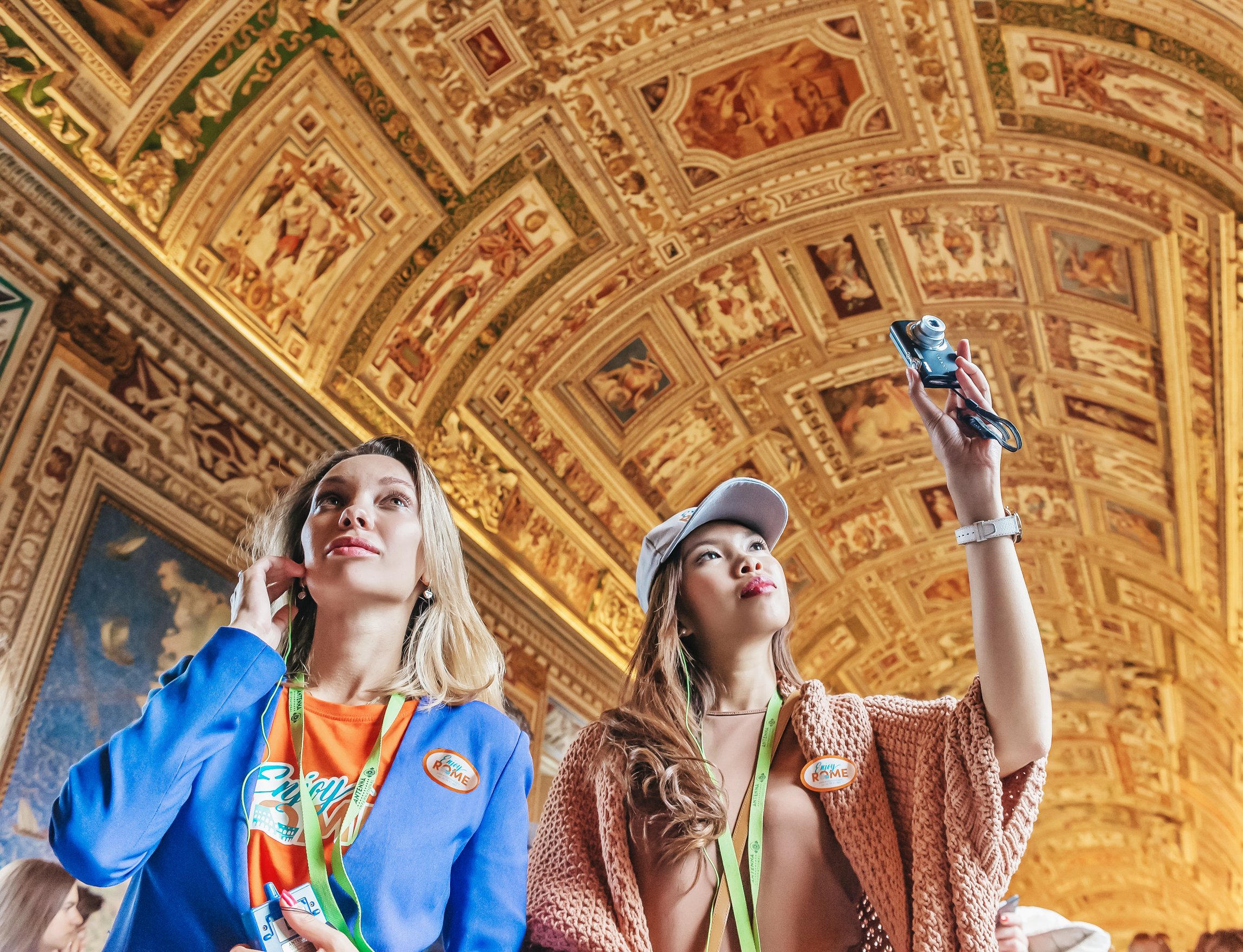
Skip the crowds and dive into the Vatican's masterpieces, from Michelangelo's ceiling to St. Peter's Basilica.
2.5 hours
Free Cancellation
Bypass the lines and wander the Vatican Museums and Sistine Chapel at your own pace, host included.
Self-guided visit
Bypass the lines and step straight into the Vatican Museums and the Sistine Chapel at your own pace.
3 hours
Free Cancellation
Skip the lines with a private guide through the Vatican Museums, Sistine Chapel, and St. Peter's Basilica.
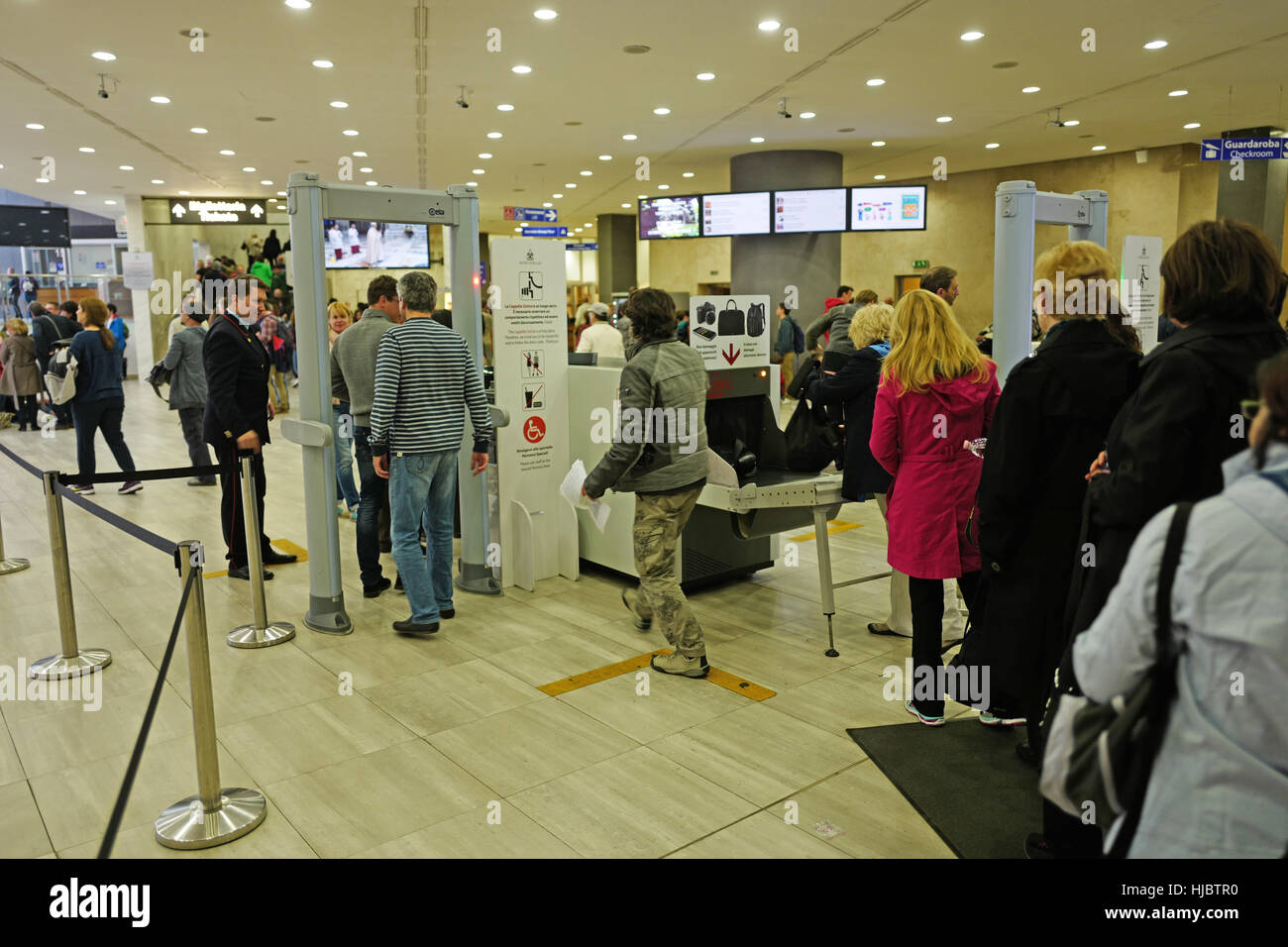
Pass bag check and metal detectors at Viale Vaticano entrance before the galleries open up
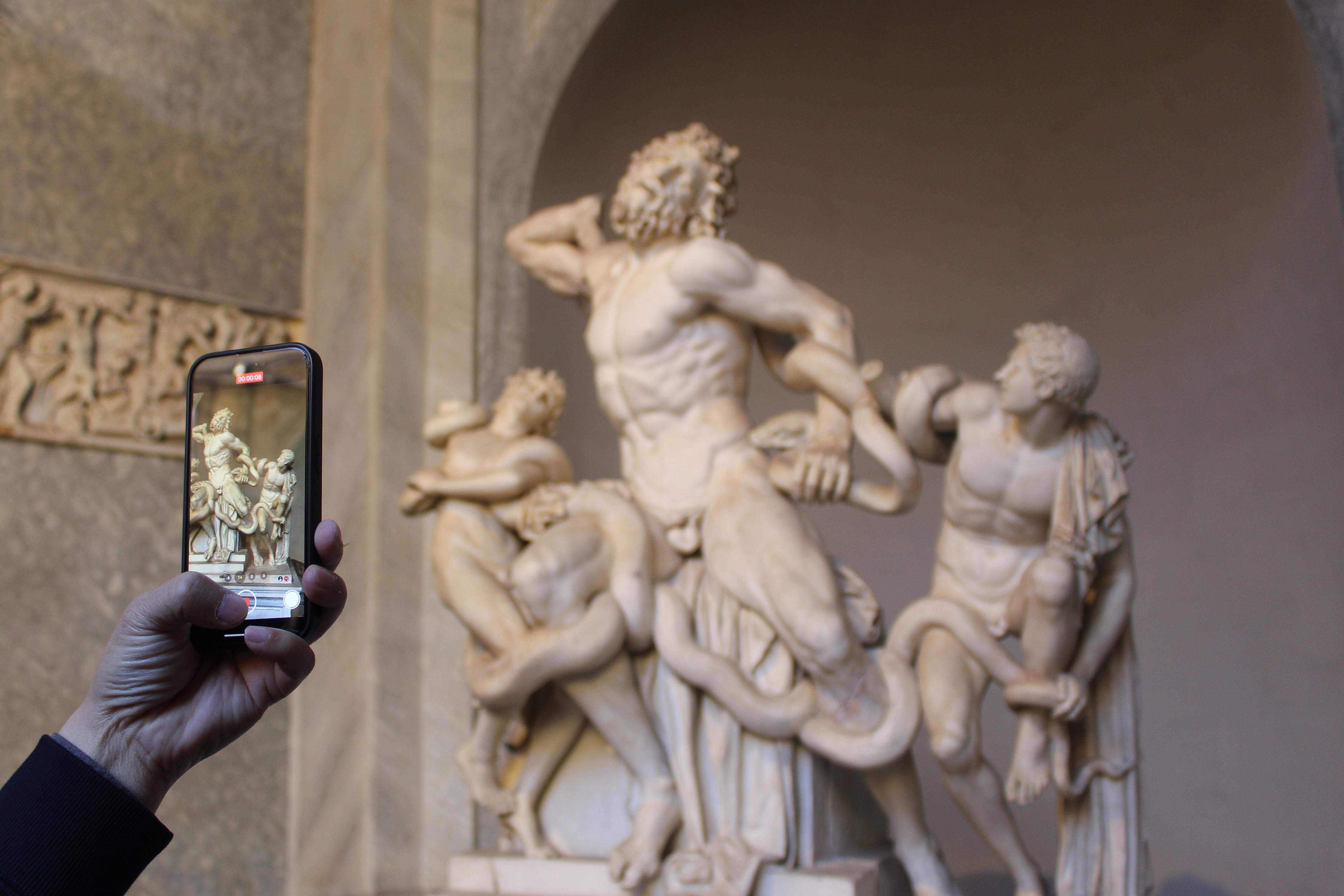
Walk through the Pigna Courtyard and early classical sculpture galleries leading toward the main route
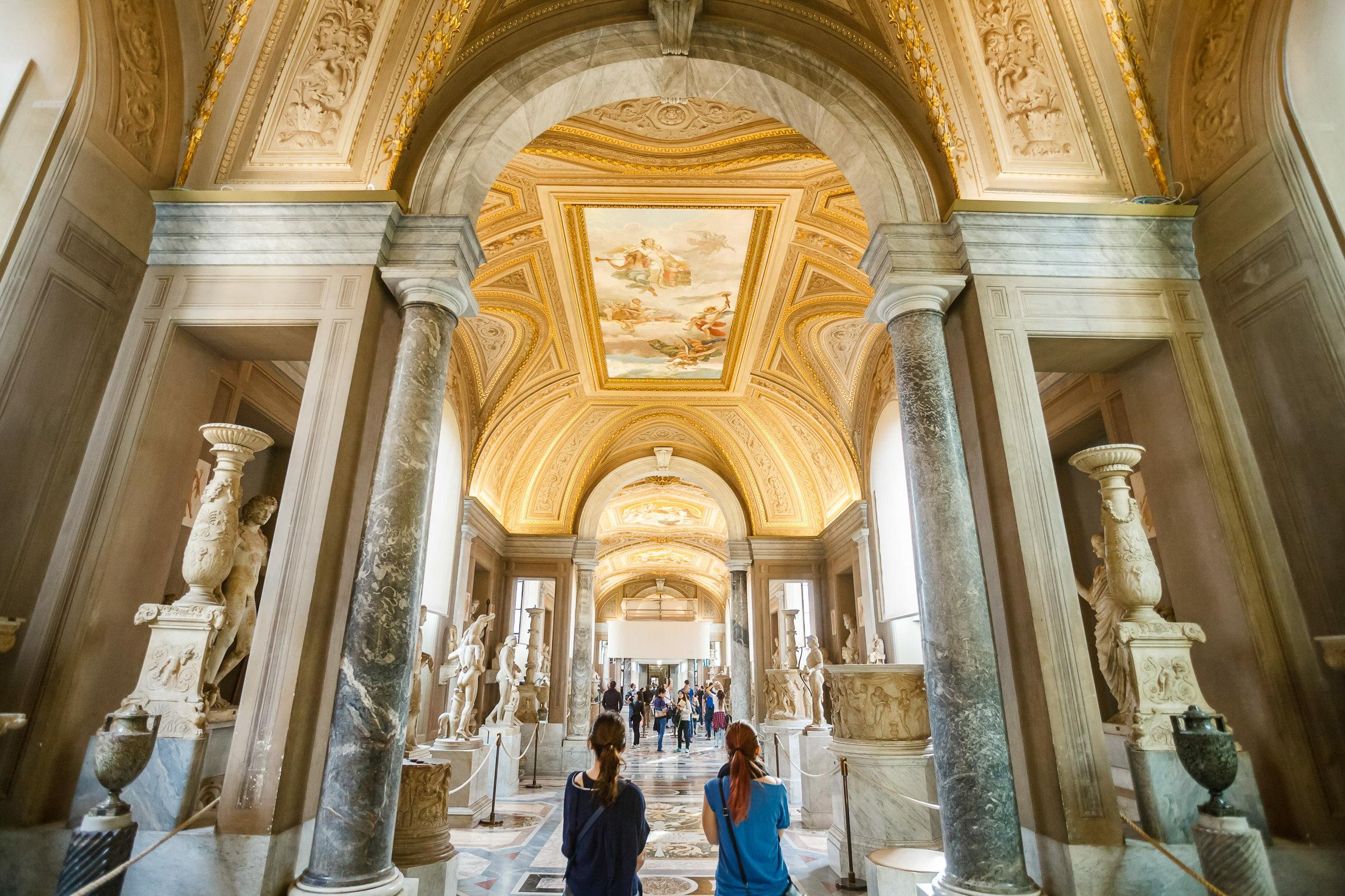
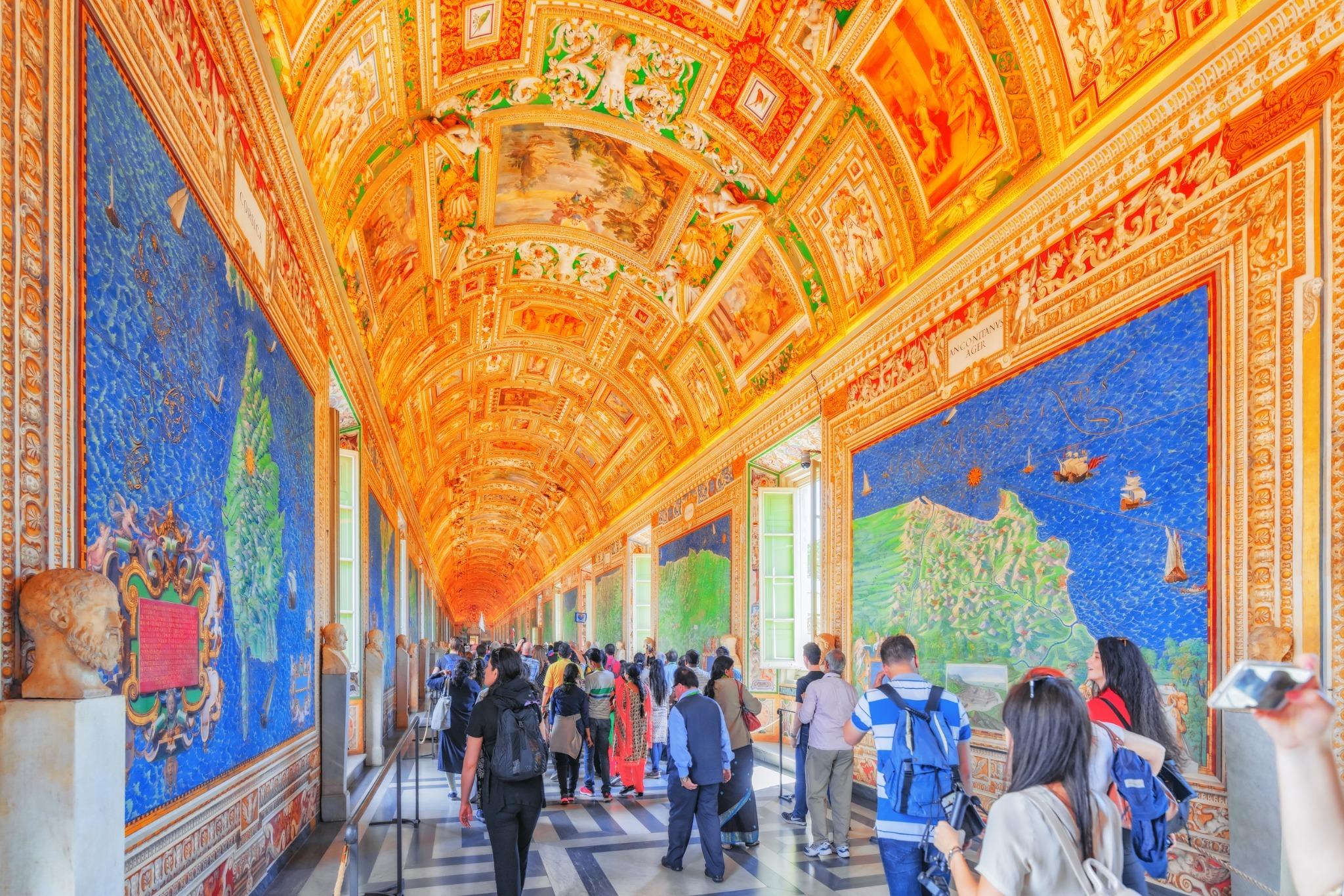
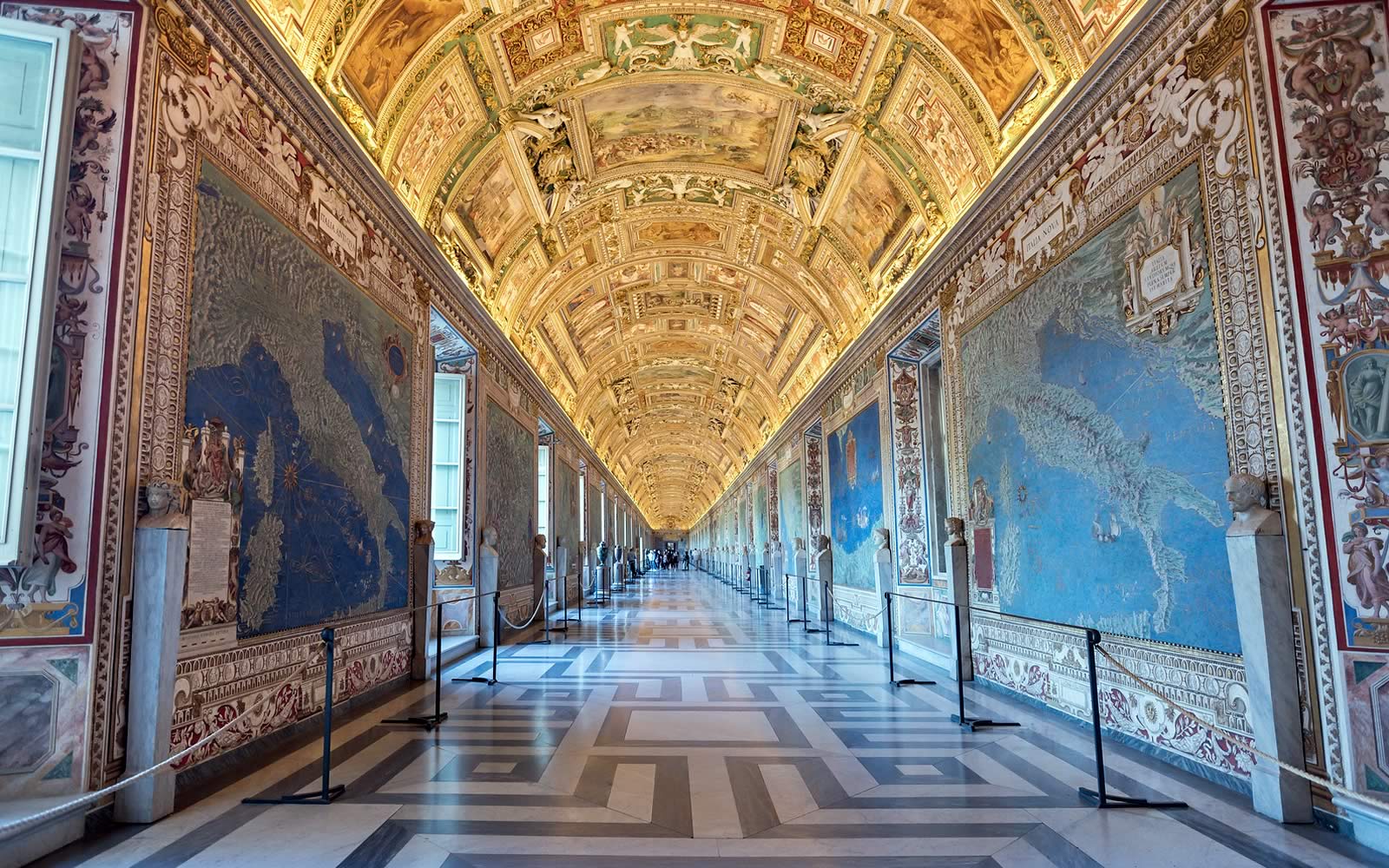
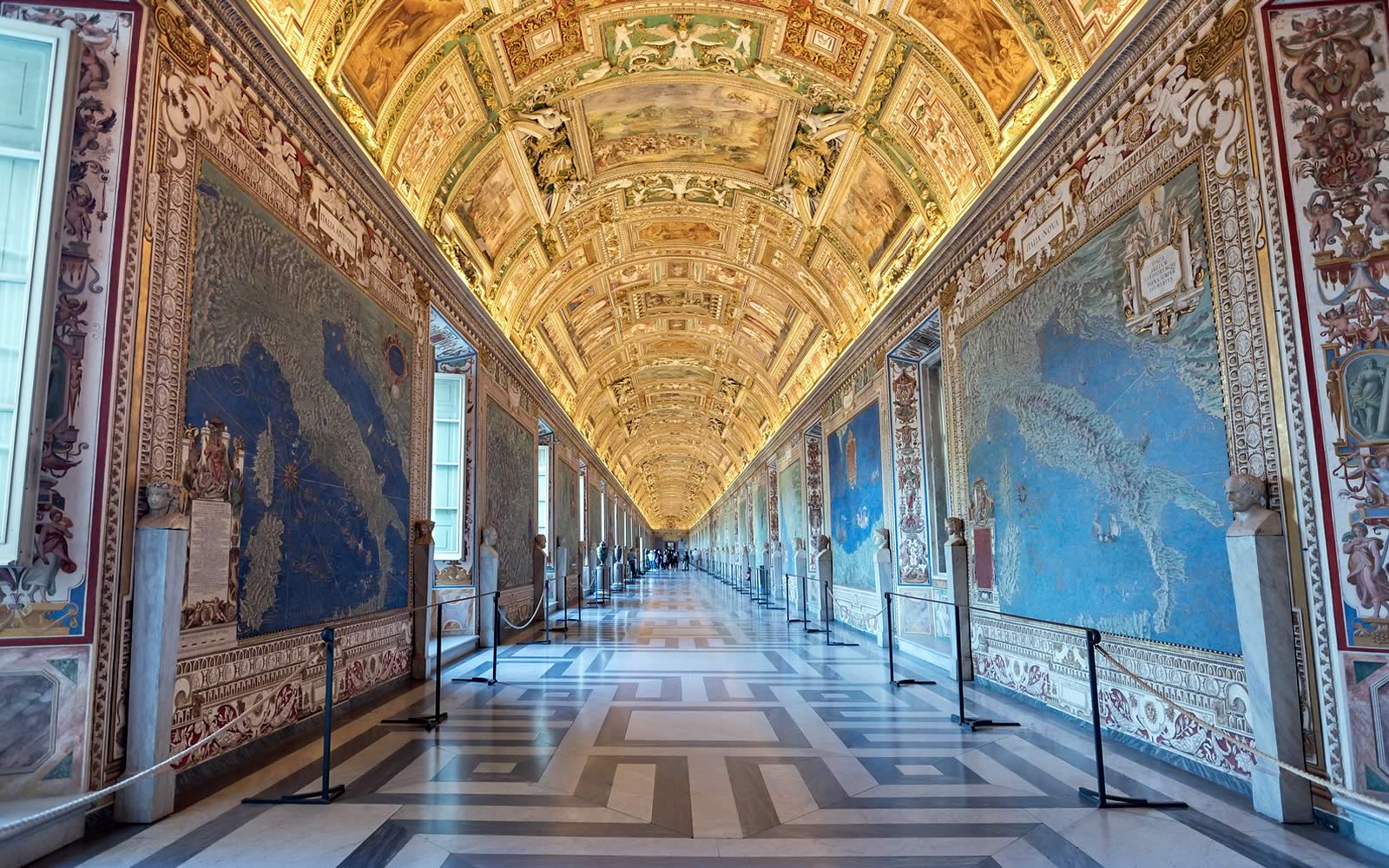
Pass through the long Gallery of Maps and Gallery of Tapestries en route to the Raphael Rooms
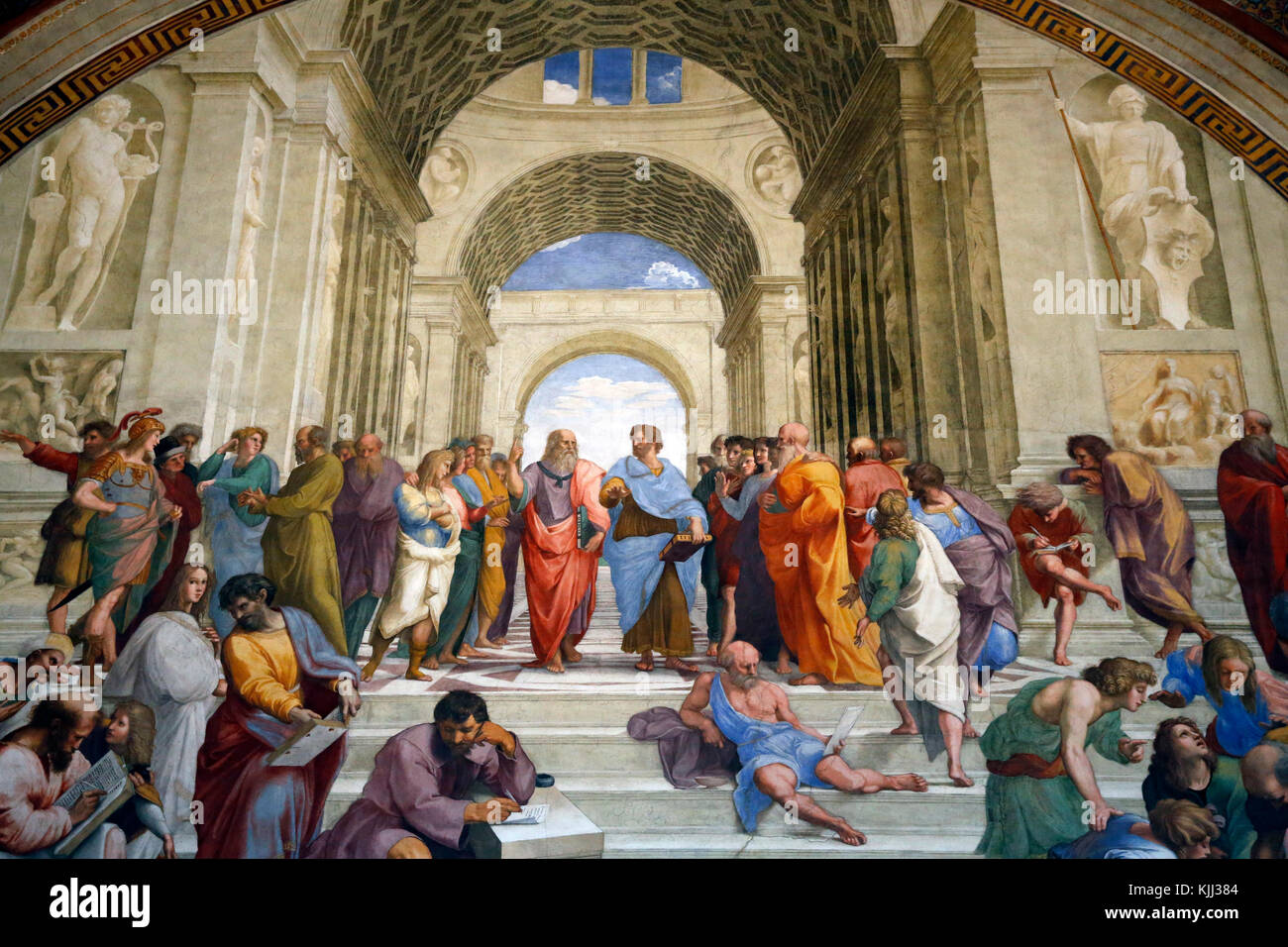
View the Stanze di Raffaello, including the School of Athens fresco, just before the chapel
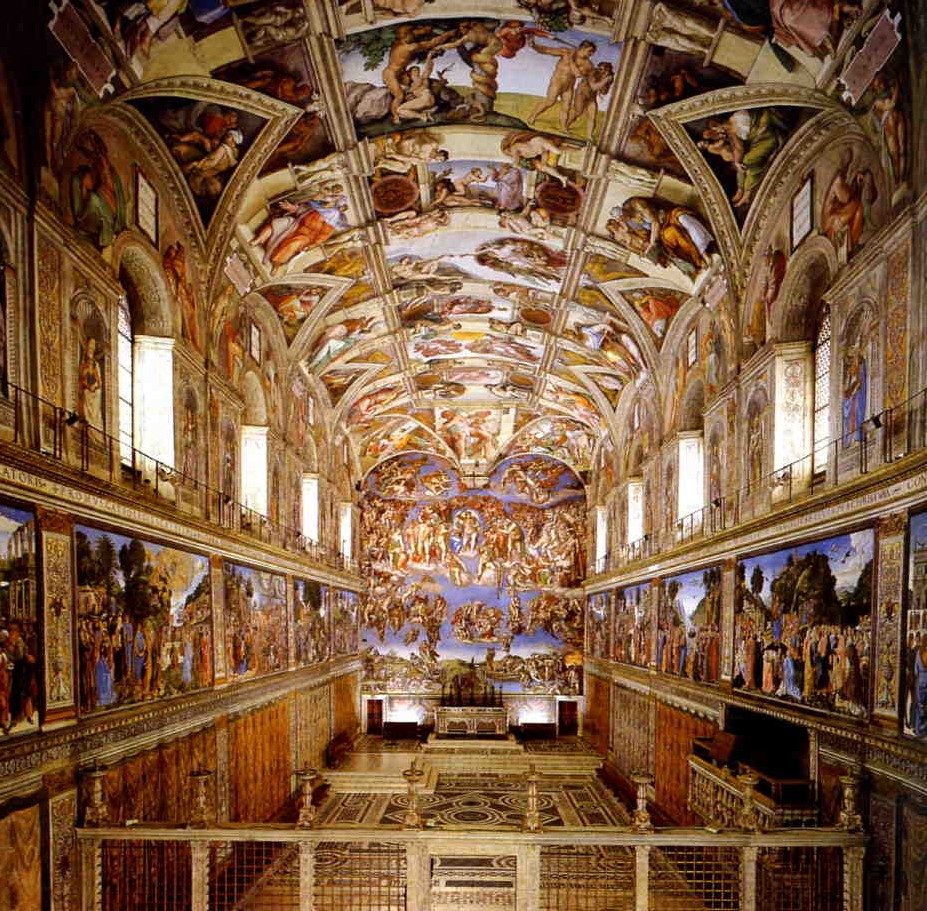
Enter the chapel for Michelangelo's ceiling and Last Judgment, observing silence and no-photography rules
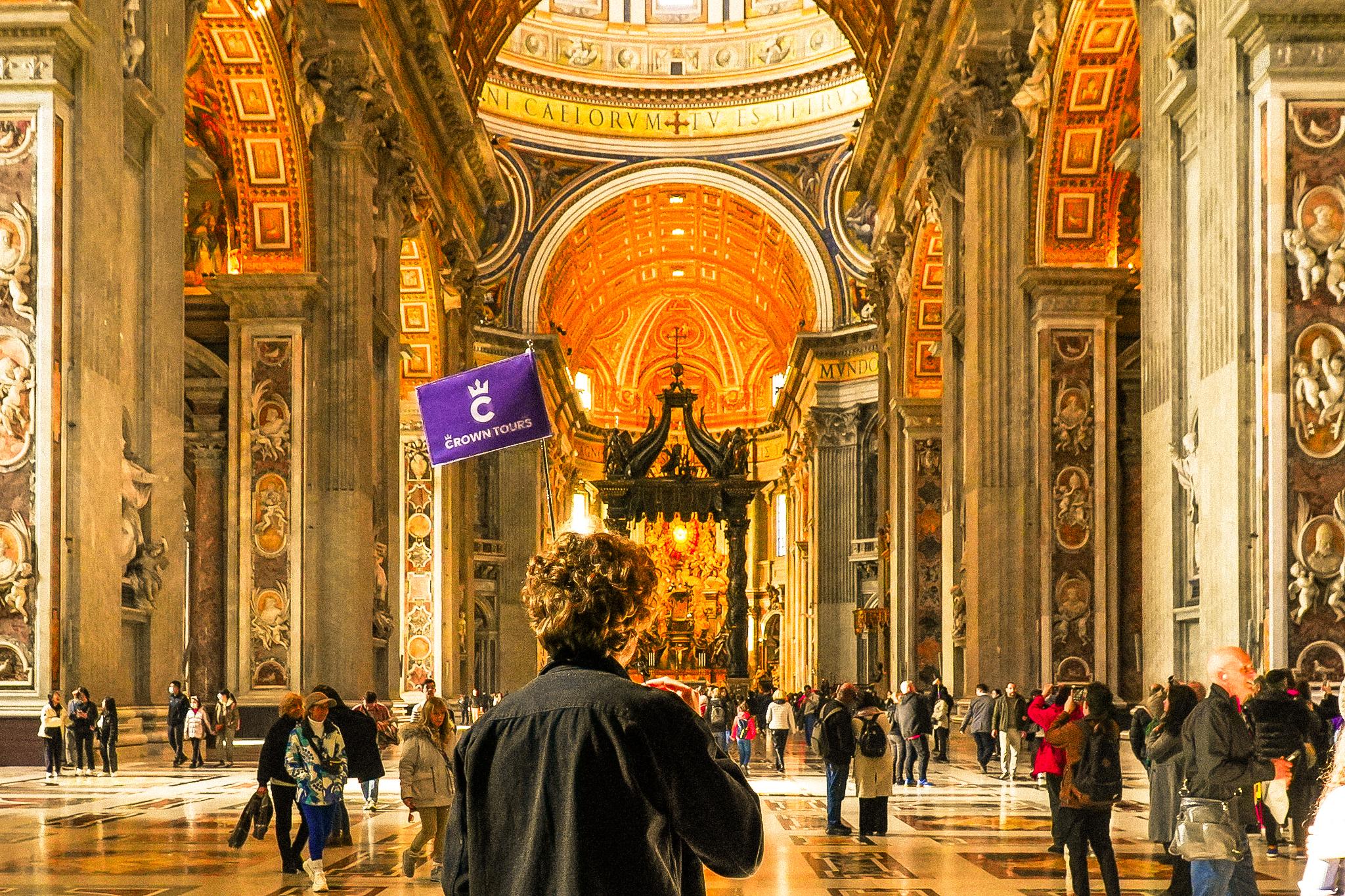
Use the shortcut staircase from the chapel directly into St. Peter's Basilica to continue the visit
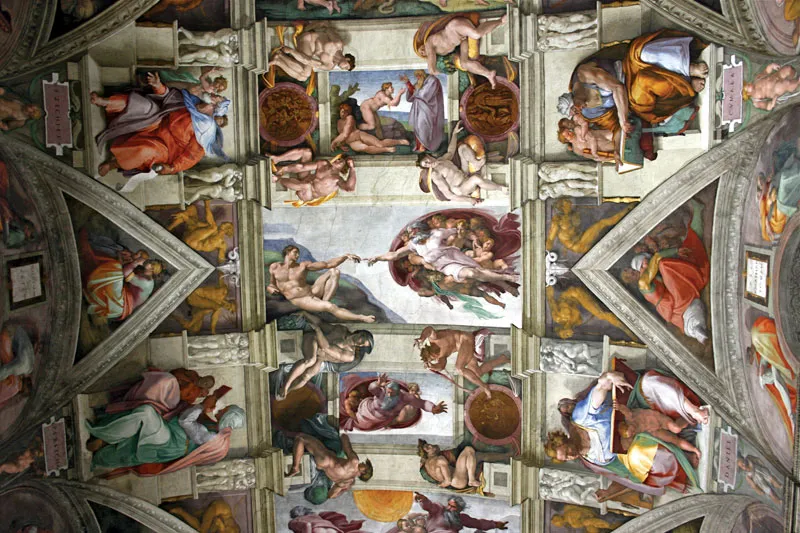
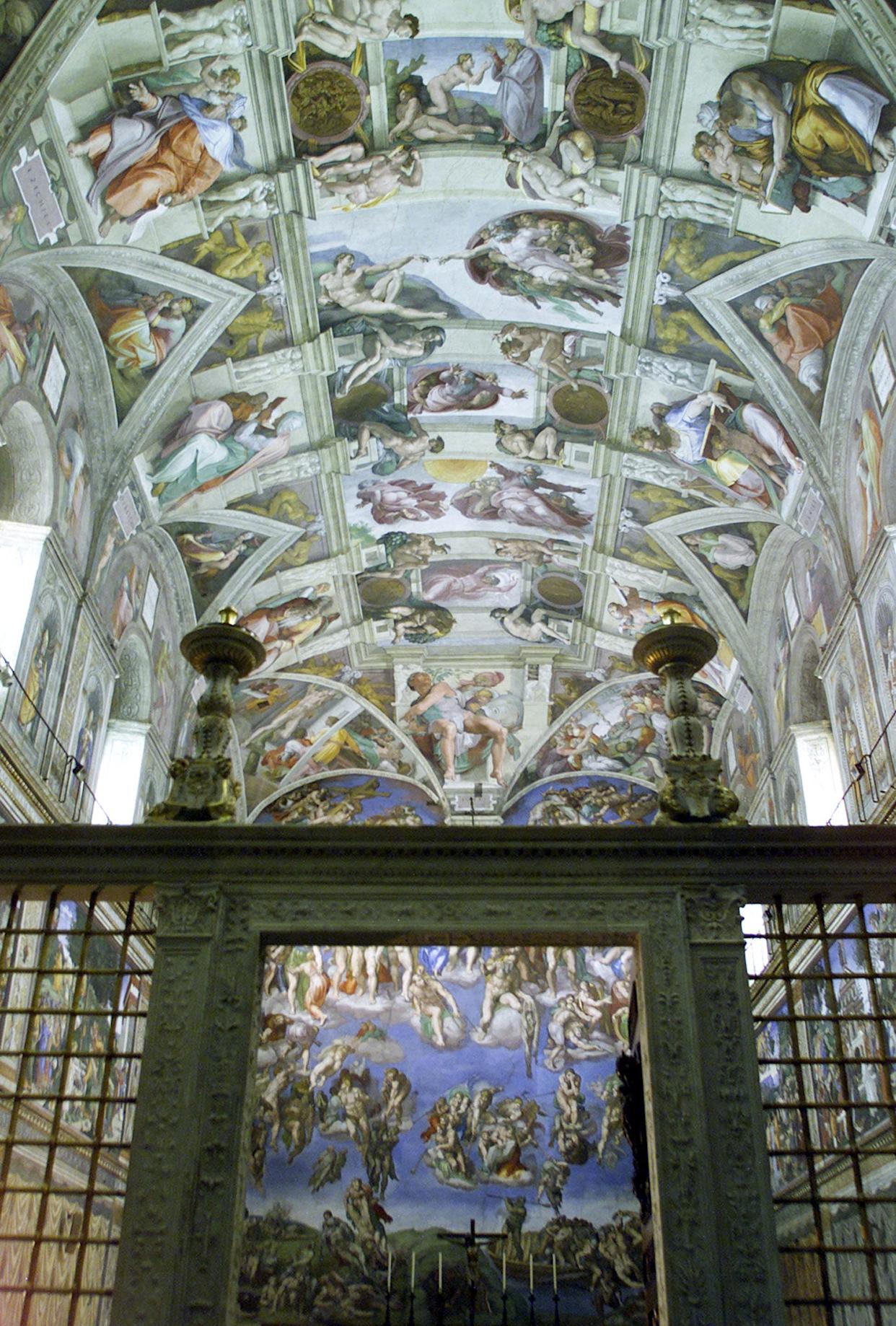
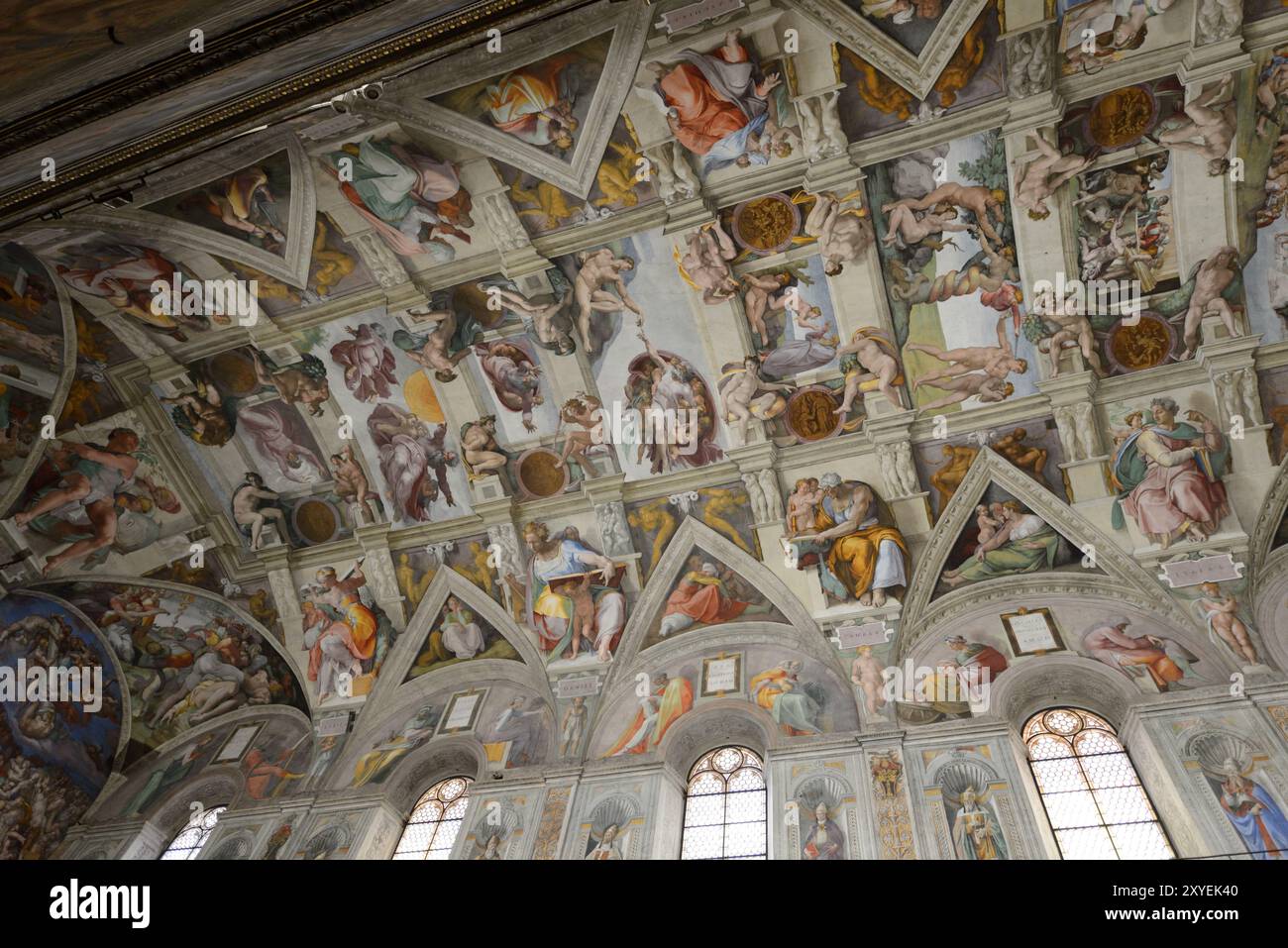
Michelangelo painted this vault between 1508 and 1512, covering roughly 500 square meters with over 300 figures including the famous Creation of Adam panel. He worked mostly standing on scaffolding of his own design rather than lying on his back, contrary to popular myth.
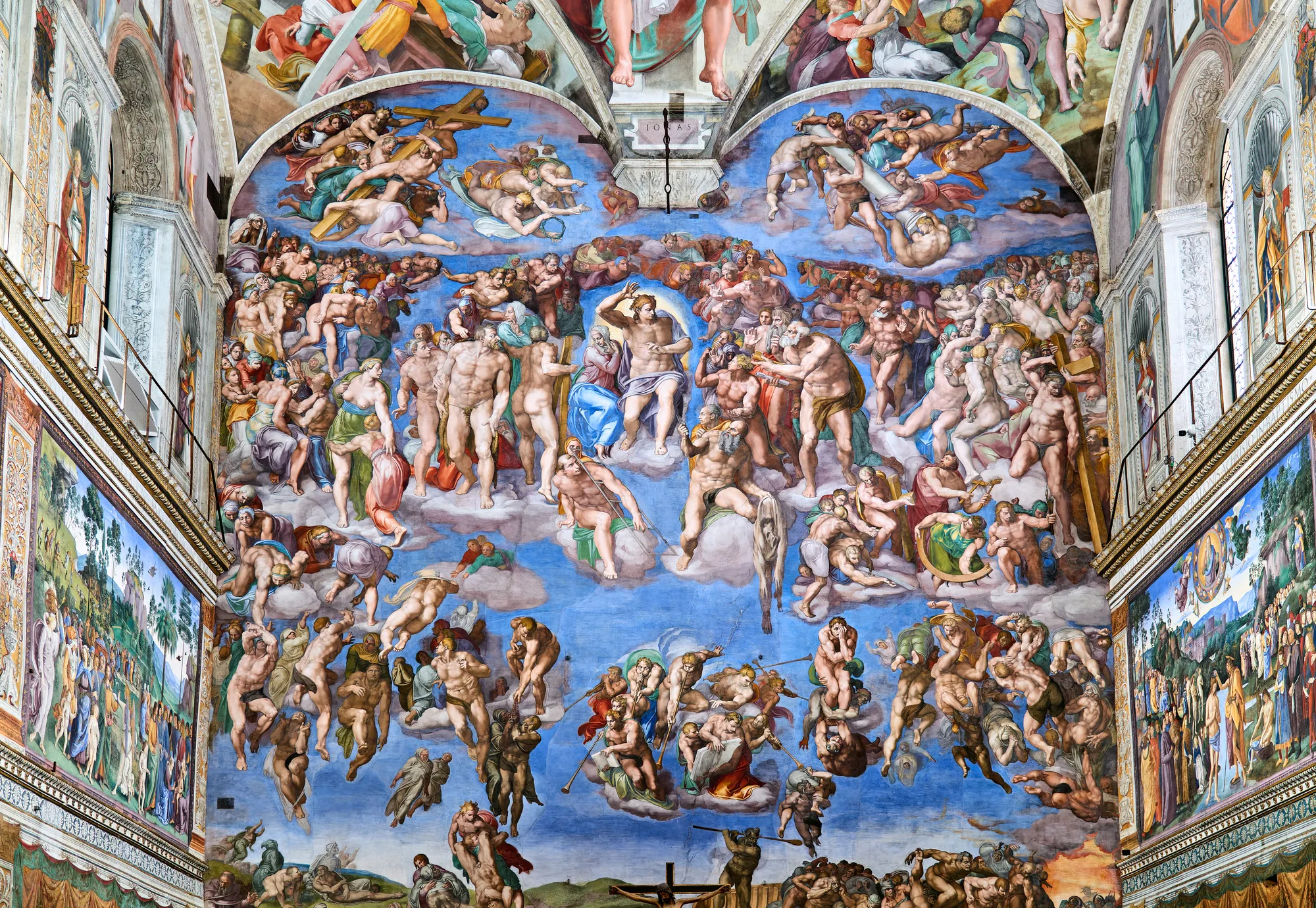
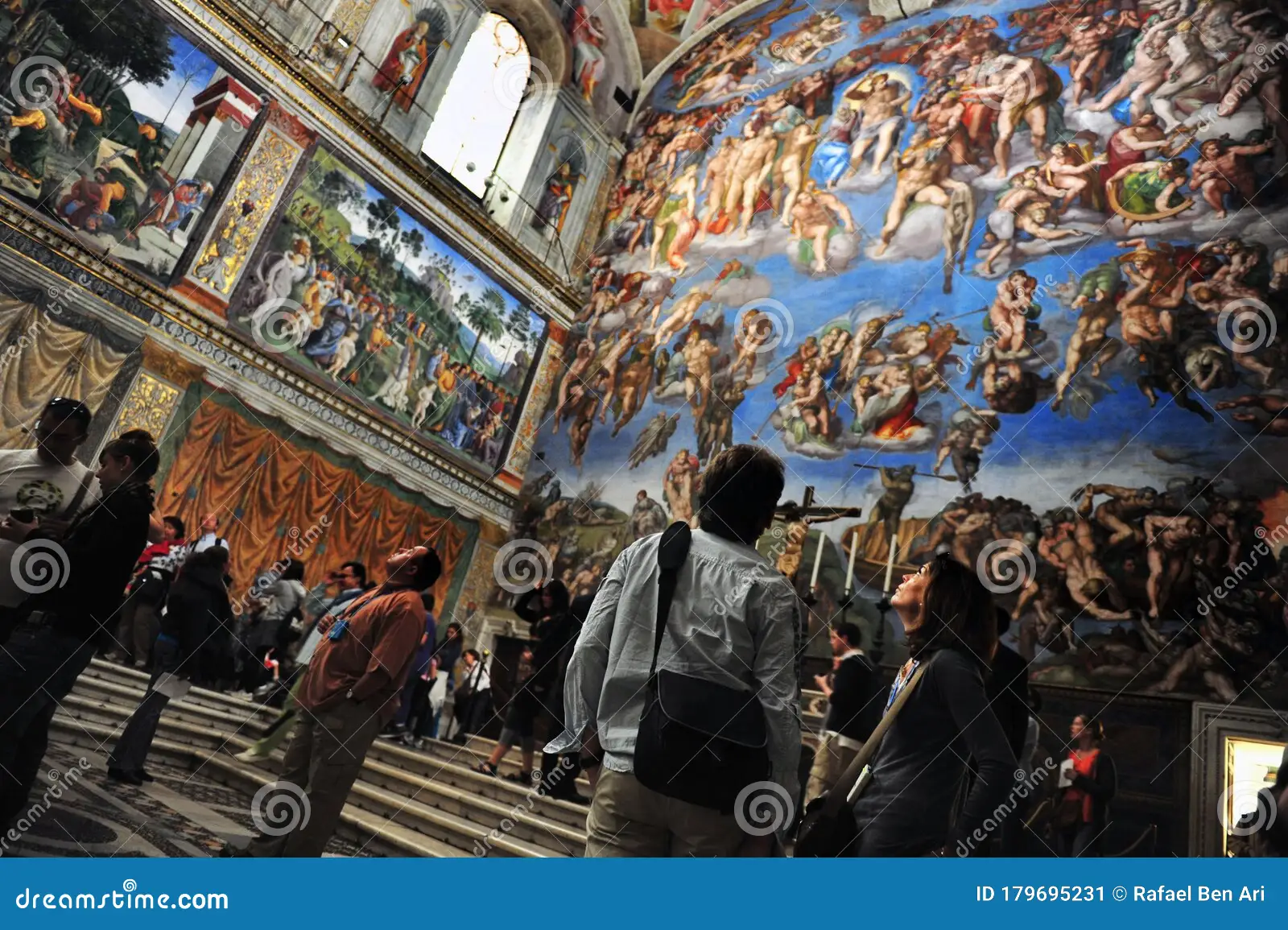
Painted decades later between 1536 and 1541 on the altar wall, this fresco depicts over 300 figures in a swirling composition of judgment and resurrection. Michelangelo included a self-portrait in the flayed skin held by St. Bartholomew.
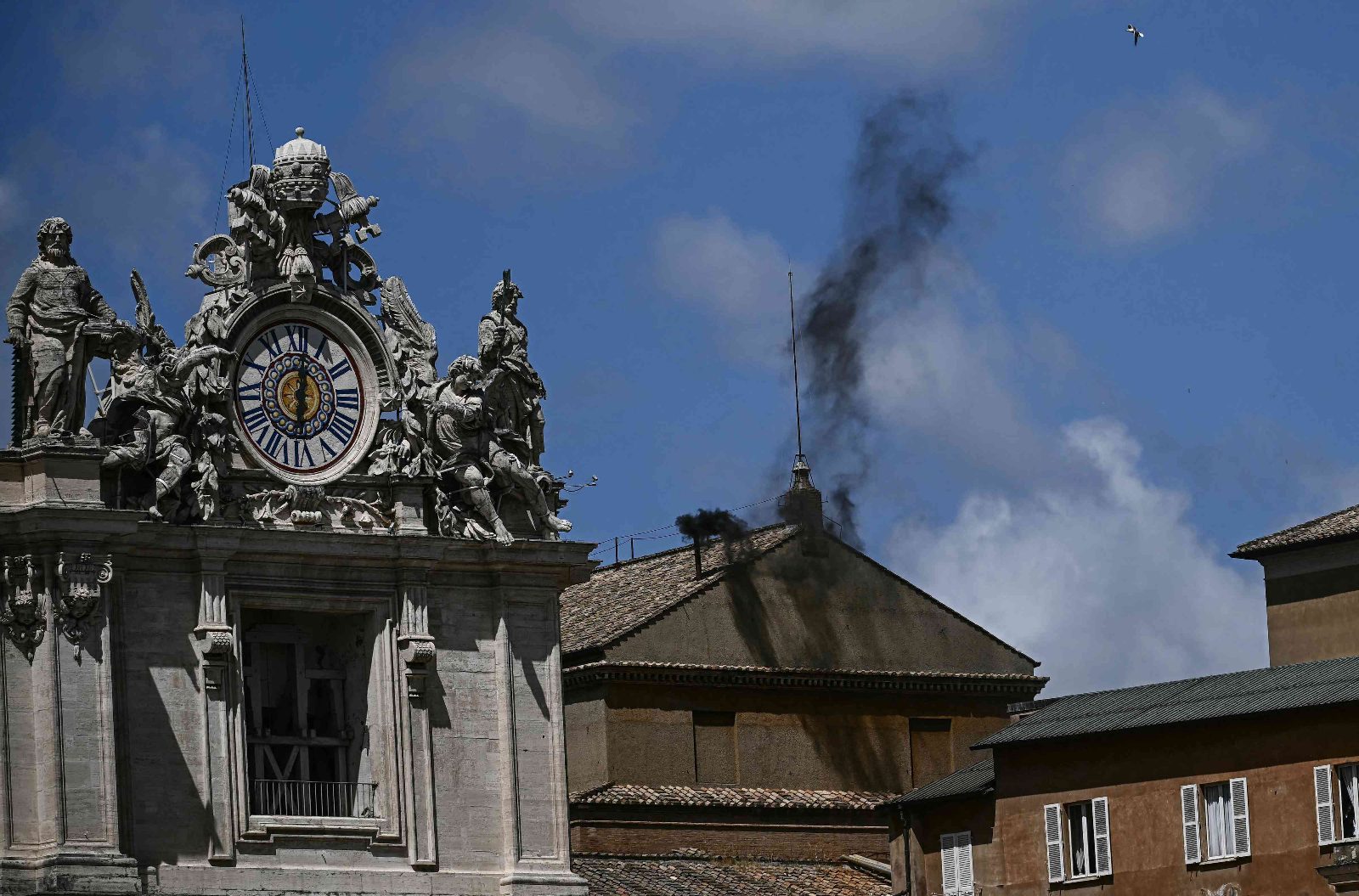
The Sistine Chapel serves as the secret venue where cardinals gather to elect a new pope, with a temporary chimney installed on the roof to signal white or black smoke to the crowds below.
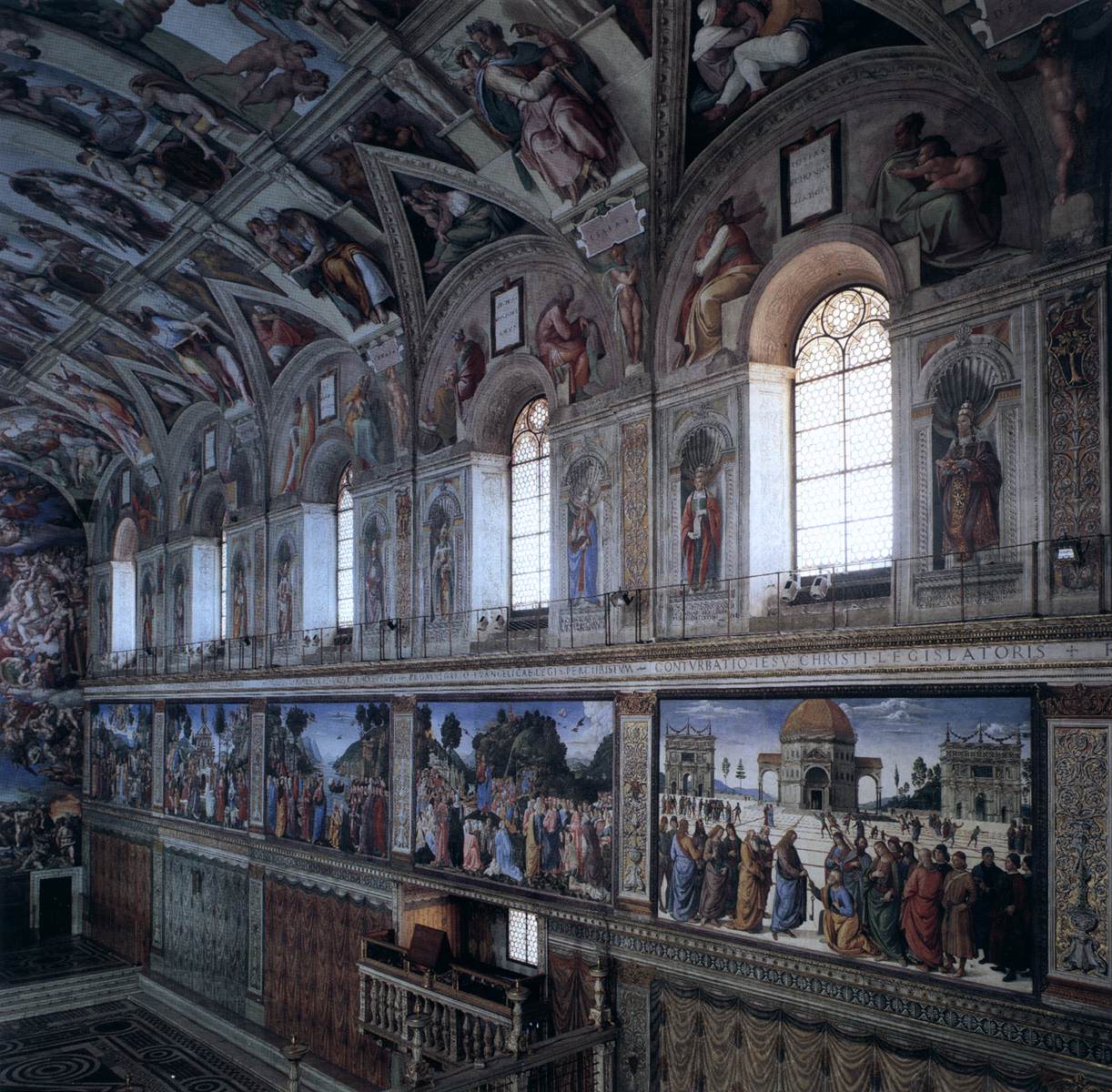
Botticelli, Perugino, and Ghirlandaio painted the side walls in the 1480s with scenes from the lives of Moses and Christ, predating Michelangelo's ceiling by roughly three decades.
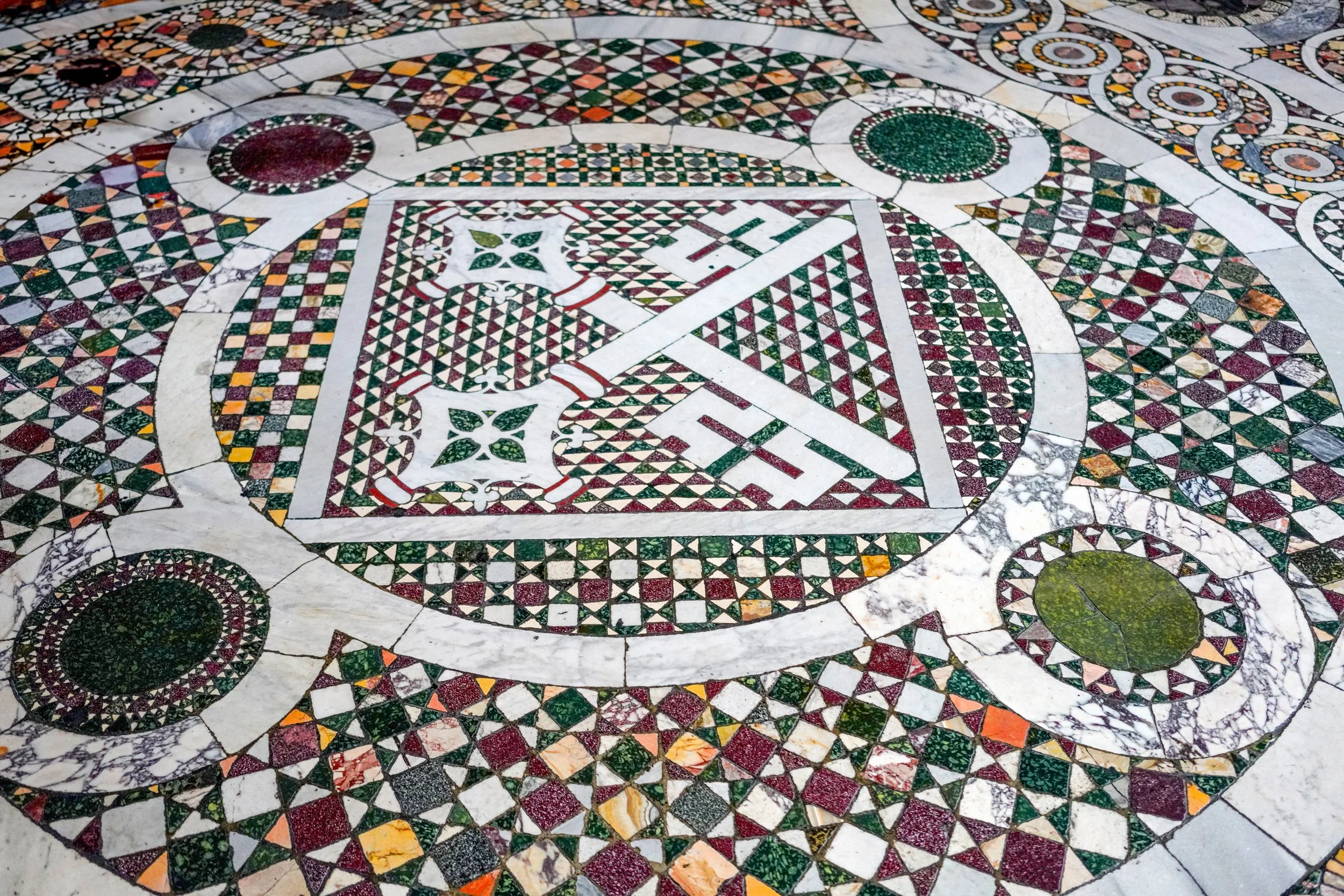
The chapel's marble floor uses an intricate geometric inlay technique dating to medieval Rome, its patterns marking the processional path once used during papal ceremonies.
A marble choir screen by Mino da Fiesole and others divides the chapel into two unequal sections, originally separating clergy from the lay congregation attending Mass.
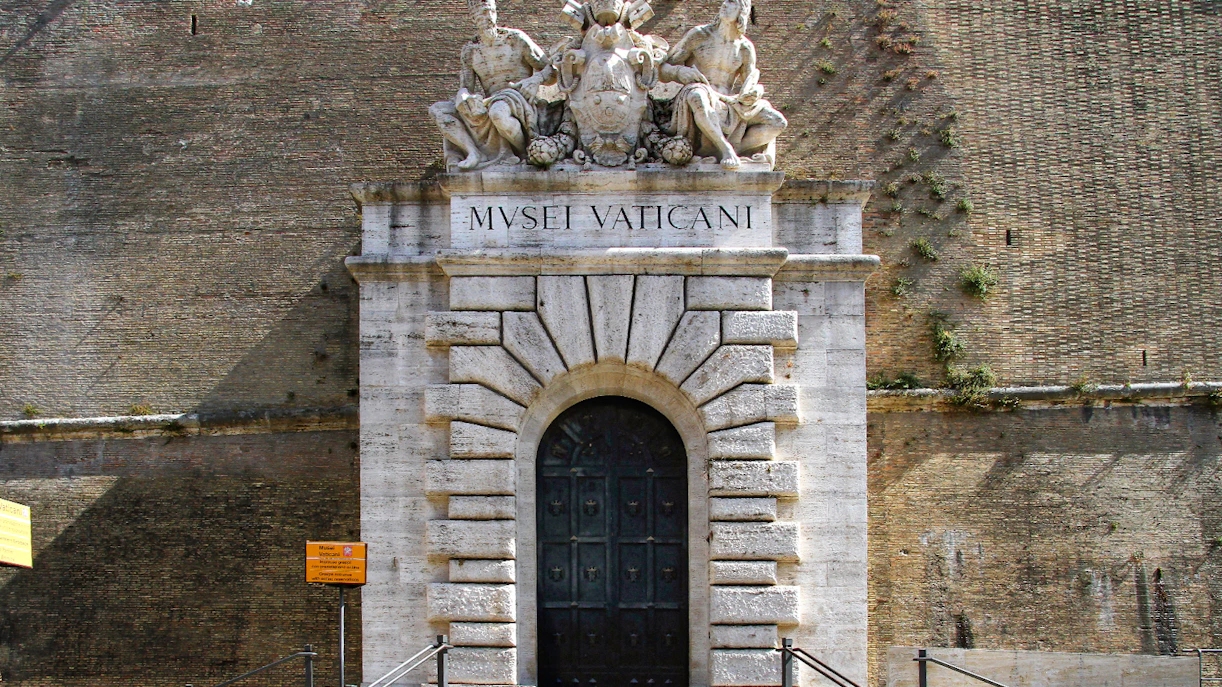
You arrive at Viale Vaticano between 08:00 and 09:30, the window that spares you the worst of the queue and the midday press. The entrance opens at 08:00 six days a week; on Sunday the doors stay shut, so you plan around it.
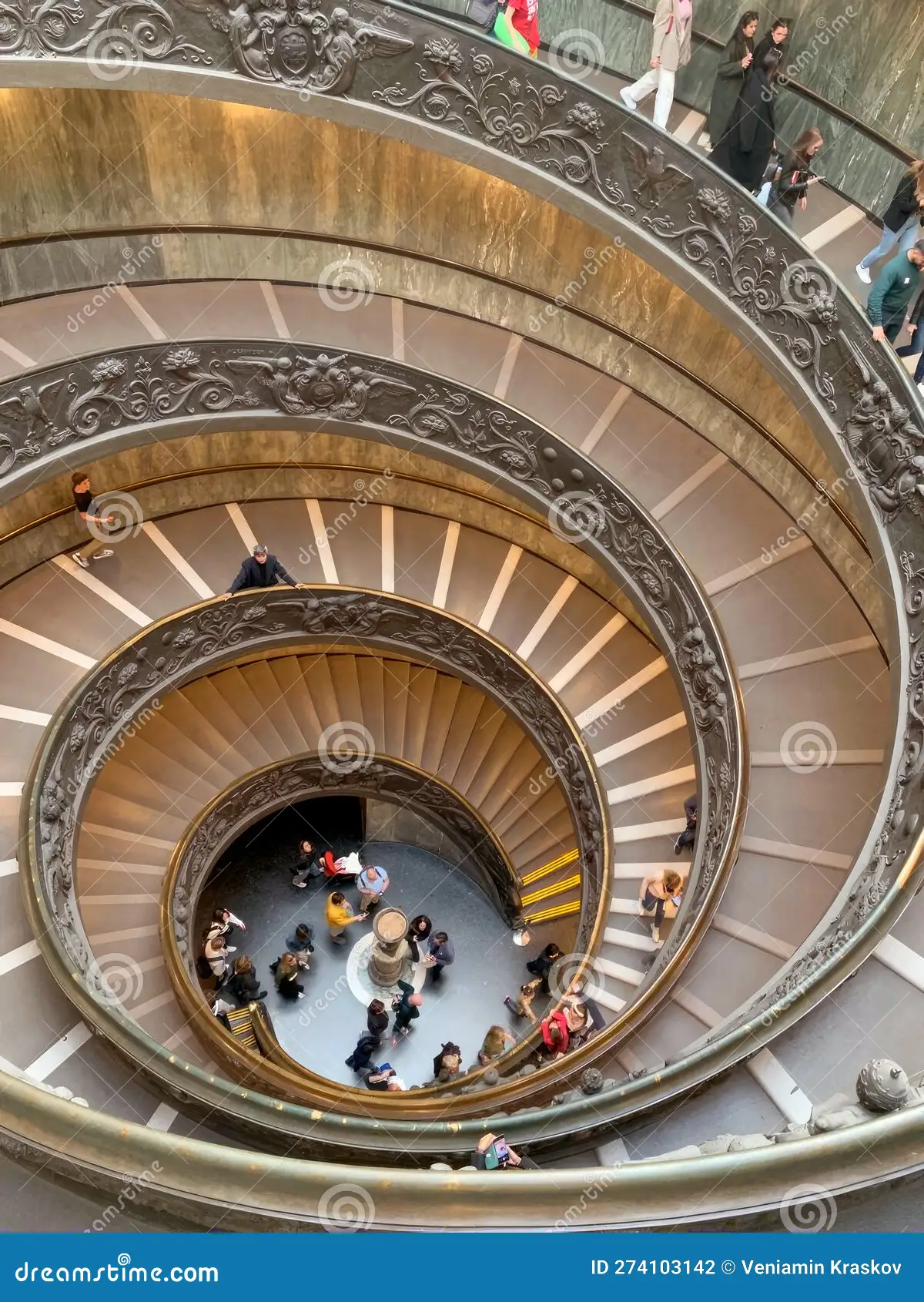
You pass security, collect your Sistine Chapel Tickets tickets confirmation on your phone, and step onto the spiral ramp that lifts you into the museums proper.
You walk. The Gallery of Candelabra, then Tapestries, then the Gallery of Maps — 120 metres of painted cartography with a gilded ceiling that most people photograph while walking backwards. You resist the temptation to rush it. The Raphael Rooms come next, and you pause in the Stanza della Segnatura in front of The School of Athens, picking out Plato pointing upward and Aristotle levelling his palm to the ground.
Then a short descent, a corridor, and the noise drops. A guard raises a hand. You enter the chapel and your eyes go up before your feet stop moving. You find the outstretched fingers of the Creation of Adam first, because everyone does, then work outward to the Libyan Sibyl twisting over her book. Along the altar wall, The Last Judgement rises in a single unbroken sweep. You take a bench along the side wall if one frees up, sit, and let the ceiling resolve panel by panel. No photographs here. You simply look.
All the details about your upcoming adventure in one place
Sistine Chapel Tickets grant entry through the Vatican Museums, whose galleries lead past the Gallery of Maps and the Raphael Rooms before opening onto Michelangelo's frescoed ceiling and The Last Judgment. Most Cappella Sistina biglietti include the full museum circuit, so guided Sistine Chapel Tickets tours give context on the nine Genesis panels and the conclave tradition still held beneath them. Skip-the-line Vatican access shortens the queue along the Viale Vaticano wall, a practical advantage among Rome landmarks in peak season.
Michelangelo Buonarroti considered himself a sculptor, not a painter, and accepted the ceiling commission reluctantly in 1508. He worked standing on a scaffold of his own design, neck arched, for roughly four years.
The result covers approximately 460 square metres and remains the reason most travellers search for Sistine Chapel Tickets before any other Roman itinerary line.
The chapel itself predates the frescoes that made it famous. Pope Sixtus IV commissioned the structure between 1473 and 1481, giving it both its name and its austere brick proportions — 40.9 metres long by 13.4 metres wide, dimensions drawn from the biblical description of Solomon's Temple. Botticelli, Perugino, Ghirlandaio and Rosselli painted the side walls first. Michelangelo returned decades later, between 1536 and 1541, to add The Last Judgement across the altar wall, a single composition holding more than 300 figures.
What matters today is function as much as artistry. This is a working liturgical space and the site of every papal conclave, sealed against the outside world when the cardinals gather. Guards enforce silence not as ceremony but as practical crowd management; the acoustics amplify a whisper into a hum across the marble floor. Visitors reach the chapel only at the end of the Vatican Museums route, after the Gallery of Maps, the Raphael Rooms and the Pio-Clementino sculpture halls — a sequence of roughly seven kilometres of galleries if walked in full. Entry sits at Viale Vaticano, 00165 Rome, and the full entry ticket covering both the Vatican Museums and the chapel is priced at 20 EUR.
The architecture rewards attention upward and downward alike. The Cosmatesque pavement, laid in the fifteenth century, uses recycled Roman porphyry and serpentine in interlocking geometric fields — a floor older in material than the ceiling in paint. Above it, Michelangelo's illusionistic architecture divides the vault into nine central panels running from the Separation of Light and Darkness to the Drunkenness of Noah, framed by ignudi, sibyls and prophets. The 1980–1994 restoration stripped centuries of candle soot and animal-glue varnish, returning colours that startled scholars accustomed to a sombre palette: acid greens, coral pinks, saturated lapis.
Climate control now governs the room. Sensors track humidity, carbon dioxide and particulate load generated by visitor breath, and a filtration system installed in 2014 exchanges air continuously. Those who arrange Sistine Chapel Tickets tours through the museum complex are, in effect, participating in a conservation calculation — access balanced against preservation, measured hourly. The Vatican City landmarks surrounding it, from St Peter's Basilica to the Belvedere Court, form a single ecclesiastical campus, but the chapel remains its narrow, crowded, extraordinary heart. It is the closest thing Western painting has to a fixed point.
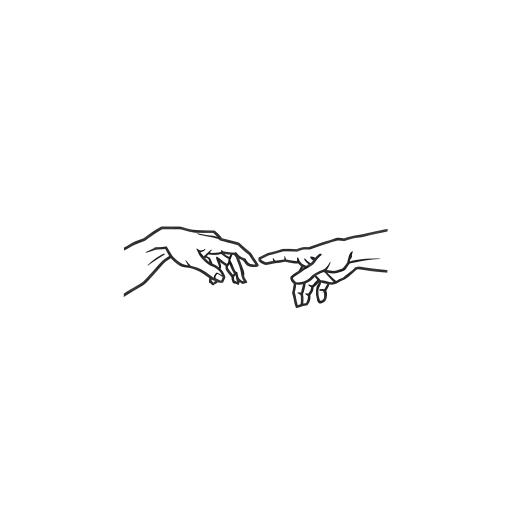
A floor older in material than the ceiling in paint.
The Sistine Chapel enforces a strict dress code as an active place of worship: shoulders, chests, and knees must be fully covered for all visitors. Tank tops, sleeveless tops, short shorts, and miniskirts will be refused entry at the security checkpoint, so anyone booking Sistine Chapel Tickets should carry a scarf or light layer as backup even in Rome's summer heat.
Airport-style security screening applies at the Vatican Museums entrance on Viale Vaticano before reaching the Sistine Chapel, including metal detectors and bag scanners. Large backpacks, suitcases, and bulky bags must be checked at the free cloakroom near the entrance, since only small bags and daypacks are allowed to pass through with visitors.
Photography and filming of any kind, including without flash, are strictly forbidden inside the Sistine Chapel itself, and silence is requested to preserve the sacred atmosphere. Photography is permitted in most other Vatican Museums galleries en route to the chapel, so visitors should take their last shots before entering the chapel's final corridor.
Children under 7 enter free with the Vatican Museums and Sistine Chapel ticket, and strollers are permitted through most of the route but may need to be folded in narrower gallery sections. Noise should be kept to a minimum once inside the chapel itself, as staff actively enforce silence.
The Vatican Museums route to the Sistine Chapel includes elevators and ramps for wheelchair users, and free wheelchair loan is available at the cloakroom on a first-come, first-served basis. Some narrower passages and staircases near the chapel may require staff assistance or an alternate route, so visitors with mobility needs are advised to call +39 06 69883145 in advance to confirm current accommodations.
Eating and drinking are not permitted inside the Vatican Museums galleries or the Sistine Chapel itself; only sealed water bottles are generally tolerated for personal hydration between galleries. Any food items are best left outside, since visitors carrying meals or snacks may be asked to check them at the cloakroom before entering.
Papal audience day, busy mornings
Quieter than Mon and Sat
Generally low crowds
Evening hours popular in summer
Heaviest crowds of the week
Hours
Mon–Sat 08:00–20:00, Sun Closed
Address
Viale Vaticano, 00165 Rome, Vatican City
Access
Wheelchairs and lifts available, free loan at cloakroom
Best arrival
08:00–09:30 to avoid long queues and midday crowds
Bag policy
Large backpacks and suitcases must be checked or left behind
Public transport · 20-30 min from central Rome · Metro ticket about €1.50
Take Metro Line A toward Battistini to the Ottaviano-San Pietro station, then walk about 7-10 minutes along Via Ottaviano to Viale Vaticano; alternatively, Bus 49 stops directly in the square in front of the Vatican Museums.
Walk · 15-20 min · Free
From Castel Sant'Angelo or St. Peter's Square, it's a level walk of roughly 15-20 minutes along Via della Conciliazione and around the Vatican walls to reach the entrance on Viale Vaticano.
Taxi · 15-25 min depending on traffic · €15-25 from central Rome
Taxis can drop passengers directly at the taxi rank in the square facing the Vatican Museums entrance, avoiding the walk from the metro.
Tram · 25-35 min · Tram ticket about €1.50
Tram 19 stops at Piazza del Risorgimento, about a 7-10 minute walk from the museum entrance along the Vatican walls.
Tickets for the 20 EUR full entry admission (Vatican Museums and Sistine Chapel) can typically be cancelled up to 24 hours before the scheduled entry slot for a full refund. Cancellations made after that window, or no-shows, are generally non-refundable.
Recommended time
3-4 hours
Most visitors need three to four hours to cover the Vatican Museums and reach the Sistine Chapel at a comfortable pace, though a highlights-only route can be done in about two. Booking Sistine Chapel Tickets for the 08:00-09:30 arrival window matters because the queue at opening moves fast before the first big tour groups filter through, while the crowd builds steadily toward a midday peak. If you arrive later, add extra buffer time for security lines and denser galleries; a Rome landmarks itinerary that also includes St. Peter's Basilica typically needs half a day. Skip-the-line Sistine Chapel access shortens entry waits but does not change how packed the Chapel itself feels once inside.
Crowd levels through the day
Weather · crowds · average price — dots go green to amber to red as each metric rises.
March through May brings mild temperatures around 15-20°C and moderate crowds, though Easter week draws exceptionally heavy visitor numbers to Vatican City. Booking early morning entry is advisable during this shoulder season.
June through August is peak season with temperatures often exceeding 30°C and the heaviest queues of the year, especially on Saturdays. Friday evening opening hours during these months offer a cooler, less crowded alternative.
September and October see temperatures cool to 18-24°C with noticeably thinner crowds compared to summer, making it one of the most comfortable periods to visit. School groups return in October, adding some weekday congestion.
November through February is the quietest period, with temperatures around 8-14°C, aside from a crowd spike around Christmas and New Year. January weekdays after the 6th typically offer the shortest queues of the entire year.
Reserve Sistine Chapel Tickets through the official Vatican Museums site in advance, since walk-up availability is limited during peak season and long lines form outside the Viale Vaticano entrance.
The last Sunday of each month offers free entry from 09:00-14:00, but this draws exceptionally large crowds and is best avoided by anyone seeking a calmer visit.
Restoration work affecting part of the chapel began in February 2026 and may partially screen certain sections, though full viewing of the ceiling remains possible.
Security staff at the entrance strictly enforce the shoulders-and-knees dress code, so pack a scarf or shawl even during Rome's hot summer months.
A staircase near the Sistine Chapel exit leads directly into St. Peter's Basilica, saving a long walk back around to the main basilica entrance.
Cloakroom lines for checking backpacks can add significant time, so travel light with only a small daypack to move through security faster.
Call +39 06 69883145 to confirm same-day opening status ahead of holidays or special Vatican events that can alter the published schedule.
Viale Vaticano, 00165 Rome, Vatican City
Main entrance for all timed-entry Sistine Chapel Tickets and guided groups
Get directions
Piazza del Risorgimento, Rome
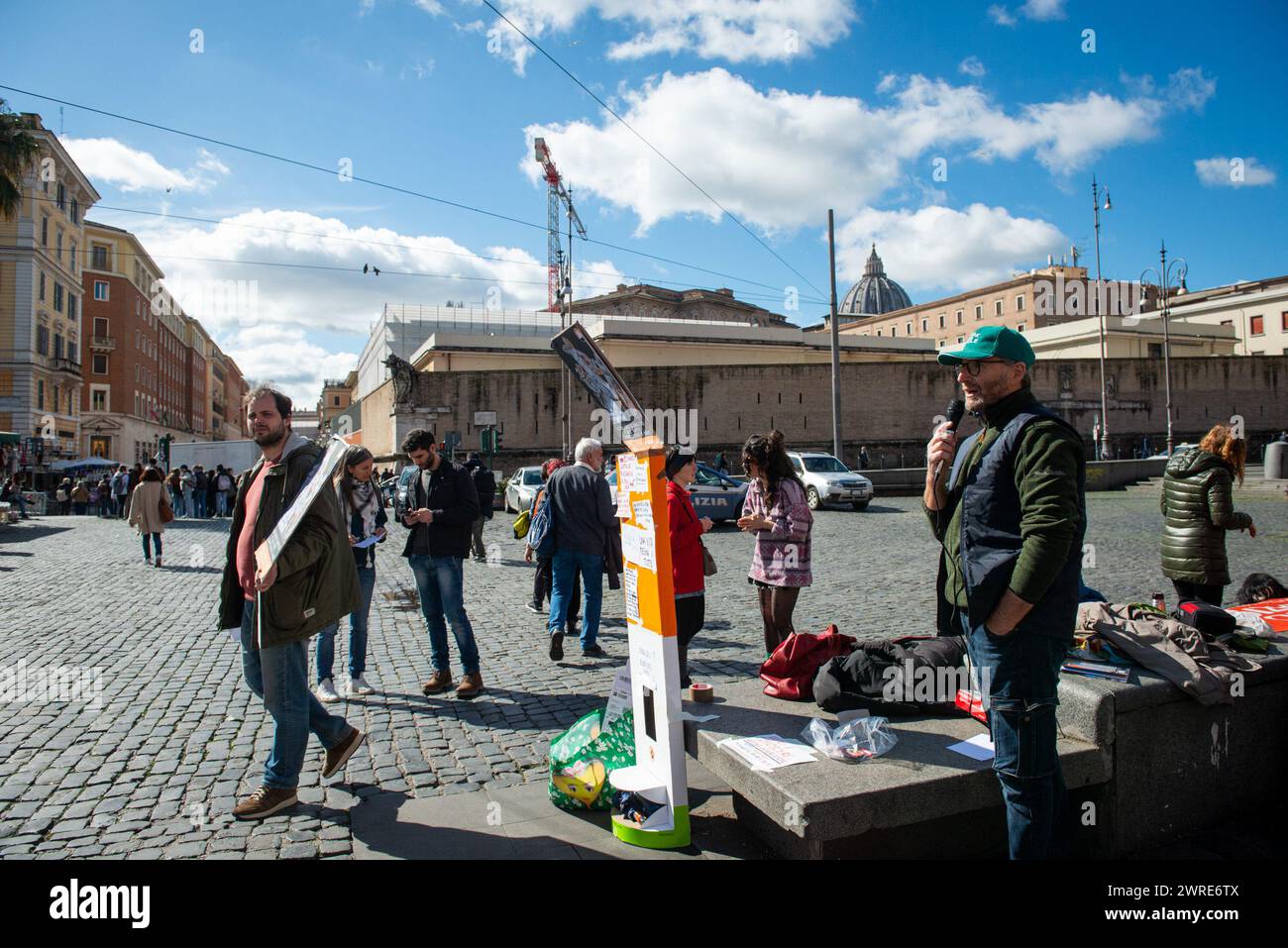
Common gathering point for guided tour groups a short walk from the entrance
Get directionsPope Sixtus IV della Rovere commissioned the chapel in 1473. Work continued until 1481 under the architect Giovannino de' Dolci, following a design attributed to Baccio Pontelli. The proportions were deliberate. The interior measures roughly 40.9 metres by 13.4 metres, dimensions long said to echo the Temple of Solomon as described in the Book of Kings. Sixtus consecrated the building on 15 August 1483, dedicating it to the Assumption of the Virgin. Its first decoration came from a team assembled in 1481: Perugino, Botticelli, Ghirlandaio, and Cosimo Rosselli painted the parallel Lives of Moses and Christ along the side walls, work that visitors on Sistine Chapel Tickets tours still pass beneath before looking up. Julius II, nephew of Sixtus, ordered the ceiling repainted. Michelangelo Buonarroti accepted the contract in May 1508 and worked until October 1512, standing on a scaffold of his own design rather than lying on his back. He completed over 300 figures across nine scenes from Genesis. He returned in 1536 under Paul III to paint the Last Judgment on the altar wall, finishing in 1541. The fresco provoked immediate controversy; in 1564 Daniele da Volterra was engaged to add drapery, earning the nickname Il Braghettone. A 1797 gunpowder explosion at Castel Sant'Angelo cracked plaster and dislodged a fragment of the sky. Centuries of candle soot darkened everything until the restoration of 1980 to 1994 recovered the original palette, a revelation that reshaped how any Vatican Museums tour is now understood. The chapel has served as the setting of the papal conclave since 1492, when Alexander VI was elected there. Cardinals have voted beneath the Genesis vault ever since, with ballots burned in a stove whose smoke signals the outcome. Anyone holding Sistine Chapel Tickets tickets enters a working liturgical space, not a museum room. The frescoes of Perugino, the marble transenna screen by Mino da Fiesole, and Michelangelo's vault all survive in situ. A Sistine Chapel Tickets tour ends where papal history is still being made among Vatican City landmarks.
Sixtus IV commissions the chapel, built under Giovannino de' Dolci on a plan attributed to Baccio Pontelli.
Perugino, Botticelli, Ghirlandaio and Rosselli fresco the side walls with the Lives of Moses and Christ.
Sixtus IV consecrates the chapel on 15 August, dedicating it to the Assumption of the Virgin.
The first conclave held in the chapel elects Rodrigo Borgia as Alexander VI.
Michelangelo paints the ceiling for Julius II, completing nine Genesis scenes and over 300 figures.
Michelangelo returns under Paul III to paint the Last Judgment on the altar wall.
Daniele da Volterra is commissioned to add drapery to the nude figures of the Last Judgment.
A full restoration removes centuries of candle soot and recovers Michelangelo's original colours.
Booking Sistine Chapel Tickets is only the start: children then face a long museum walk before reaching the ceiling itself, so pacing matters more than the ticket. With realistic expectations, most families manage the visit without meltdowns.
The chapel sits at the far end of the Vatican Museums, so budget the walk itself as part of the visit rather than a quick detour. Arriving during the 08:00–09:30 best arrival window gives kids room to move at their own speed before galleries fill up.
With limited attention spans, head first to the Carriage Pavilion near the entrance, then the Gallery of Maps and Egyptian or Greek and Roman sculpture rooms, which read well to kids without much explanation needed. Save the denser Raphael Rooms for older children or skip them if energy is fading.
Expect most children under 10 to engage fully for 60-90 minutes before needing a break; the full route can take 3 hours, so plan a pause partway through. A short rest in a quieter gallery works better than pushing straight to the chapel.
The last approach to the chapel involves stairs and tighter corridors, and it's easy to underestimate how much walking remains once the crowds thicken. Treat this Vatican City landmark's final stretch as the slowest part of the whole visit, not the fastest.
Inside the chapel itself, kids often need guidance simply looking up rather than moving through, so a slower, calmer pace here beats rushing to the next room. A skip-the-line Sistine Chapel tour timed for early morning can ease this final push considerably.
Once you're through the Sistine Chapel Tickets entrance, the Vatican Museums run a large self-service cafeteria along the visit route, so there's no need to leave once you're inside; outside, Via Candia and Viale Vaticano offer quick cafés and trattorias for a meal before or after your Vatican Museums tour.
The on-site cafeteria near the Pinacoteca stairs serves pasta, pizza slices, salads, and desserts; it gets packed at midday, so it suits a fast bite more than a relaxed sit-down between skip-the-line Sistine Chapel tickets stops.
Attached to the self-service corner, this bar handles coffee, sandwiches, and pastries; good for breakfast before opening or a quick espresso break mid-visit.
Right opposite the museum entrance on Viale Vaticano, it serves panini, salads, and gelato; convenient for a pre-visit espresso, though sit-down prices run higher than standing at the bar.
On Via Candia, this Roman forno sells pizza by the slice and suppli for a cheap, fast lunch, popular with locals rather than tour groups.
Tucked on Via Candia, it offers classic Roman pasta like carbonara and cacio e pepe in a relaxed, unfussy dining room suited to a post-visit lunch.
Real experiences from real travelers
We booked Sistine Chapel Tickets for an 8am entry and walked the Gallery of Maps almost alone before the corridors filled up. By the time we reached the chapel the light through the high windows had warmed the Last Judgement wall to a deep ochre. Neck ache is real but nobody in our group complained.
The restored pigments are far brighter than any book reproduction suggests — the blues in the Genesis panels almost hum. Our guide explained the ignudi and the sibyls before we entered, which made the ceiling readable rather than overwhelming. Cool inside even on a warm Roman morning.
Midweek in April and the Vatican Museums corridors were shoulder to shoulder well before we reached the chapel. Once inside the room quiets down and the scale of Michelangelo's work takes over. Bring a bottle of water for the long approach through the galleries.
Roman July heat outside, and stepping into the chapel felt like stepping into stone shade. The guards hush the room every few minutes and in those pauses you can actually hear the building. Our skip-the-line Sistine Chapel entry saved what looked like an hour in the Viale Vaticano queue.
Honestly the School of Athens in the Raphael Rooms nearly stole the day before we even got to Michelangelo. The Bramante staircase on the way out is worth slowing down for. We used a Vatican City museum tour with a small group and it moved at a sensible pace.
We went for a late slot in February and the last hour felt noticeably calmer than the morning crush described by friends. The Last Judgement fills the whole altar wall and you keep finding figures you missed. Booking Sistine Chapel Tickets tickets in advance meant we walked straight past the wall of people at the gate.
Rain on the cobbles outside and grey light through the windows, yet the ceiling still glowed. Michelangelo's Creation of Adam sits further along the vault than most people expect, so keep walking and look up in stages. One of the Vatican City landmarks that genuinely lives up to its reputation.
Nobody warns you that the chapel sits at the end of a very long route through the Vatican Museums — comfortable shoes matter. The Gallery of Maps ceiling is gilded and enormous and worth photographing before the phone ban zone. We chose a Sistine Chapel Tickets tour and the guide's pre-briefing outside made the visit much clearer.
Late summer, thirty-something degrees outside, and the interior was mercifully dim and cool. Standing under Michelangelo's vault with the sibyls looking down is the closest thing to time travel I have had. Sistine Chapel Tickets tours run early and that early start is the difference between a good visit and a great one.
Venivo da romana e non c'ero mai stata da adulta. The restored ceiling under the tall windows in June light is a different object from the sooty version my parents described. Book ahead, arrive early, and give yourself time in the Raphael Rooms too.
Everything you need to know for your journey
The Vatican Museums and Sistine Chapel are open Monday through Saturday from 08:00 to 20:00, and closed on Sundays except the last Sunday of the month.
Full entry admission covering the Vatican Museums and Sistine Chapel costs 20 EUR per adult ticket.
Arriving between 08:00 and 09:30 at opening is the best window to avoid long queues and midday crowds before booking Sistine Chapel Tickets.
Yes, the route includes elevators and ramps, and free wheelchair loan is available at the entrance cloakroom on a first-come, first-served basis.
Large backpacks, suitcases, tripods, selfie sticks, and alcoholic beverages are among the items not allowed; oversized bags must be checked at the free cloakroom.
No, photography and filming of any kind are strictly prohibited inside the Sistine Chapel itself, though most other galleries allow non-flash photos.
Yes, shoulders and knees must be covered for entry; sleeveless tops, short shorts, and miniskirts will be refused at security.
Eating and drinking are not permitted inside the galleries or the chapel; only a sealed water bottle is generally tolerated.
Metro Line A to the Ottaviano-San Pietro station is the fastest route, followed by a 7-10 minute walk, or Bus 49 stops directly outside the entrance on Viale Vaticano.
Yes, children under 7 enter free, and strollers are allowed through most of the museum route, though quiet is required inside the chapel.
Cancellations are typically accepted up to 24 hours before the scheduled entry slot for a full refund on the 20 EUR full entry ticket.
St. Peter's Basilica and St. Peter's Square are directly adjacent, reachable via a shortcut staircase near the chapel's exit, along with Castel Sant'Angelo a short walk away.
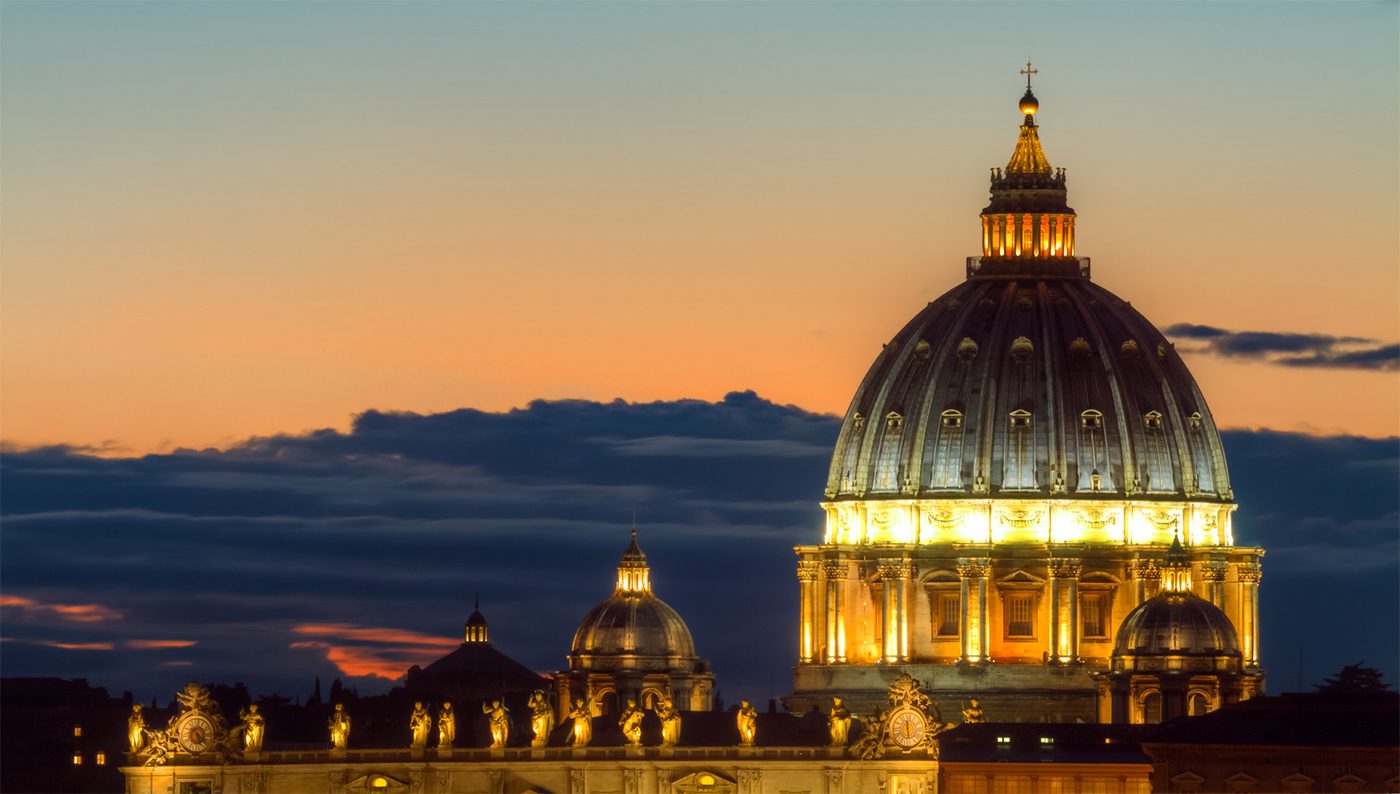
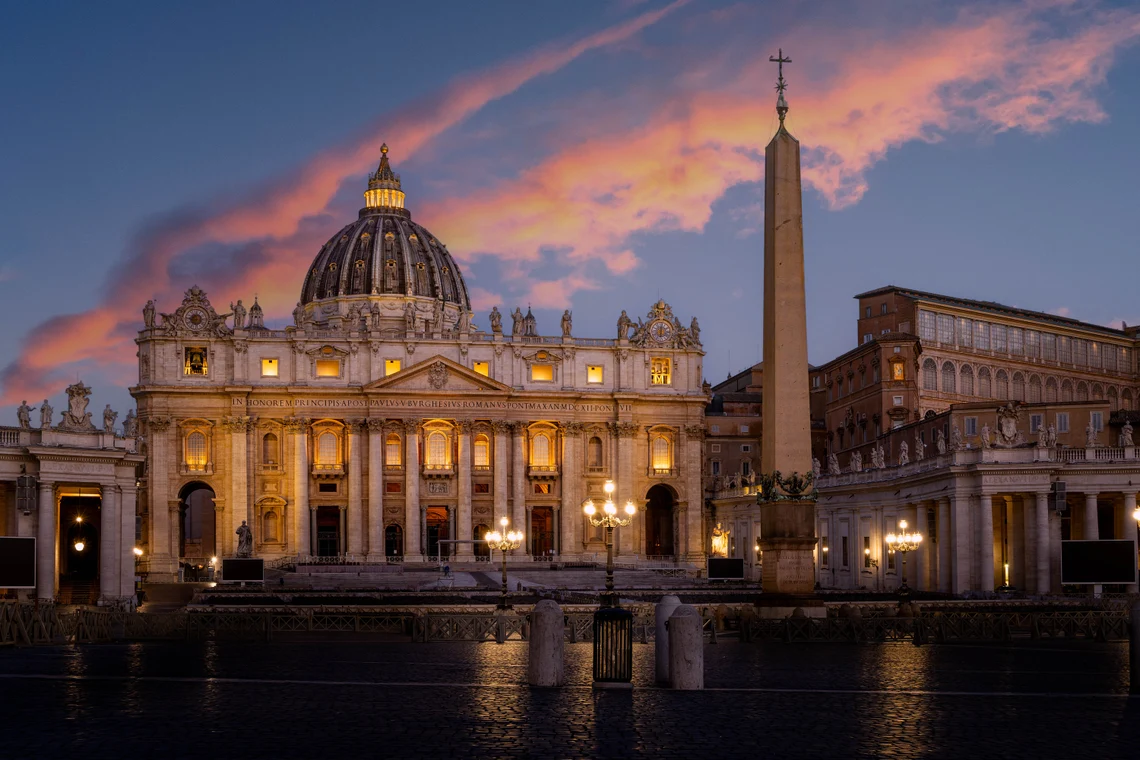
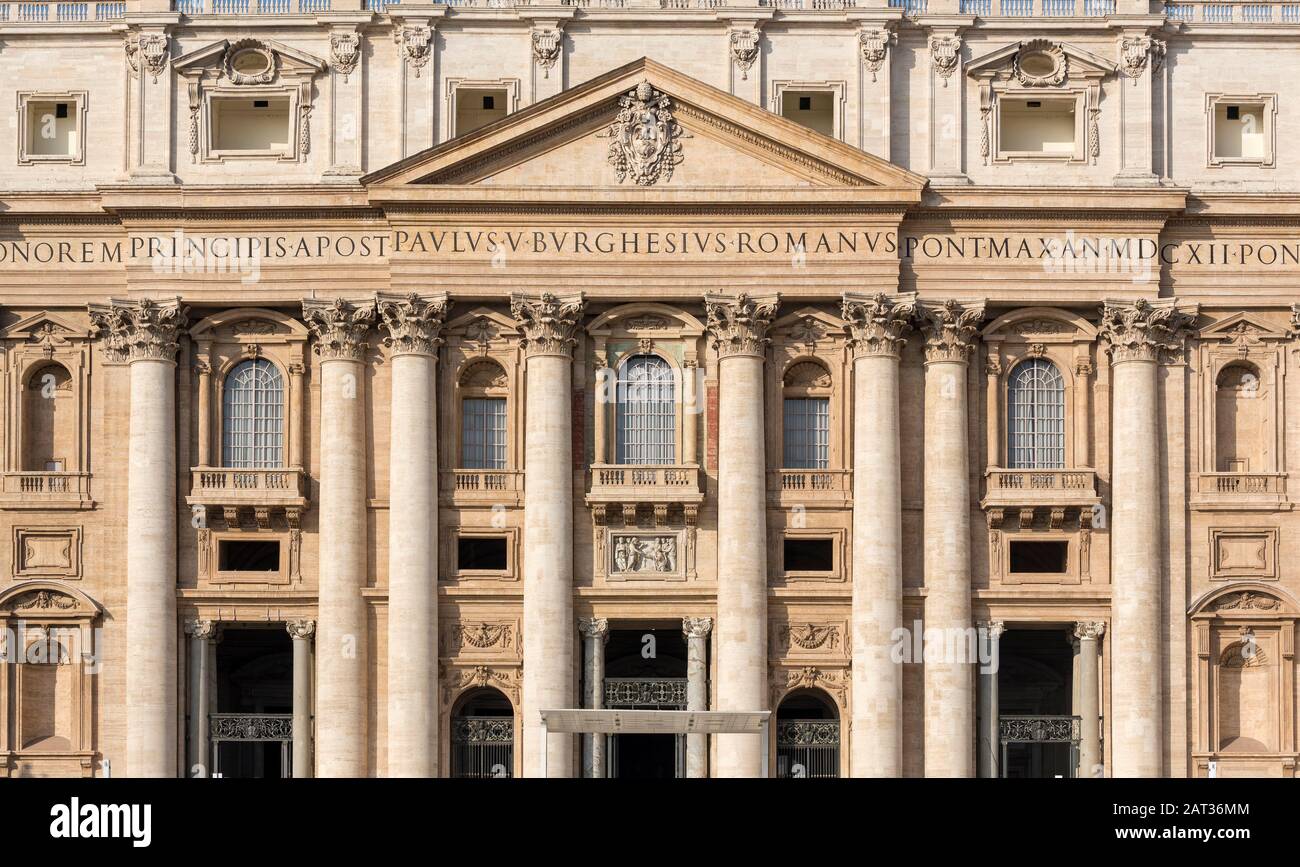
The world's largest church by interior volume, home to Michelangelo's Pietà and Bernini's baldachin over the papal altar, accessible via a shortcut from the Sistine Chapel exit.
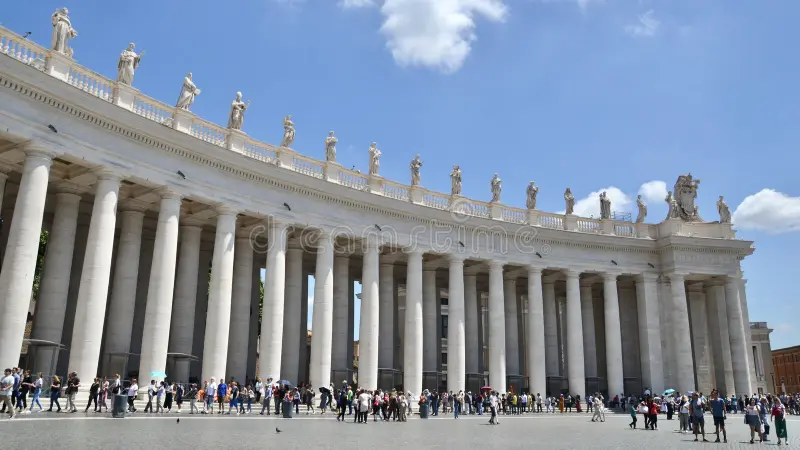
Bernini's elliptical colonnade frames this vast plaza where papal audiences and blessings take place on scheduled days.
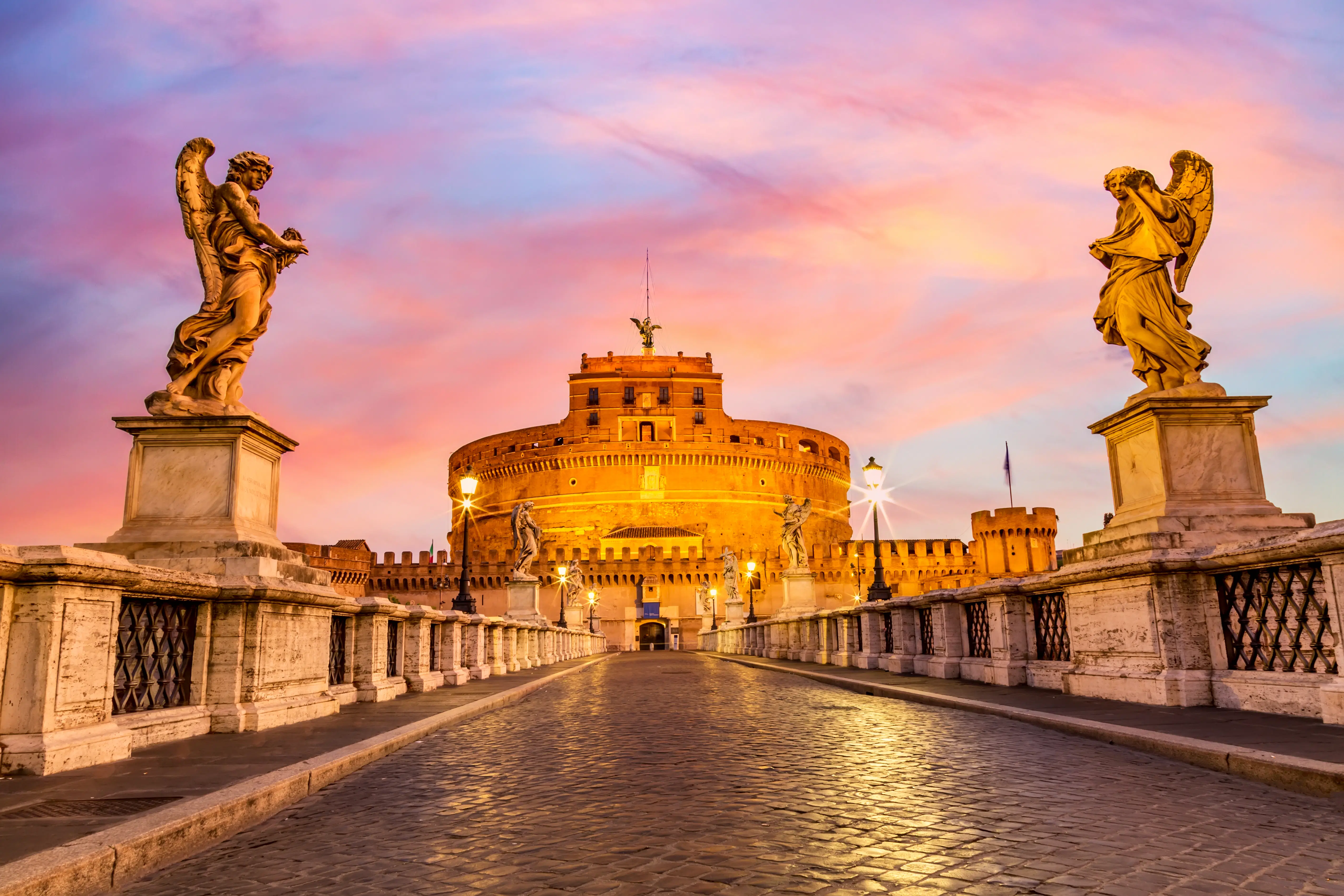
A cylindrical fortress built originally as Hadrian's mausoleum, later used as a papal refuge connected to the Vatican by a fortified corridor.
A busy transit and shopping square just outside the Vatican walls, popular for cafes and last-minute souvenir stops.
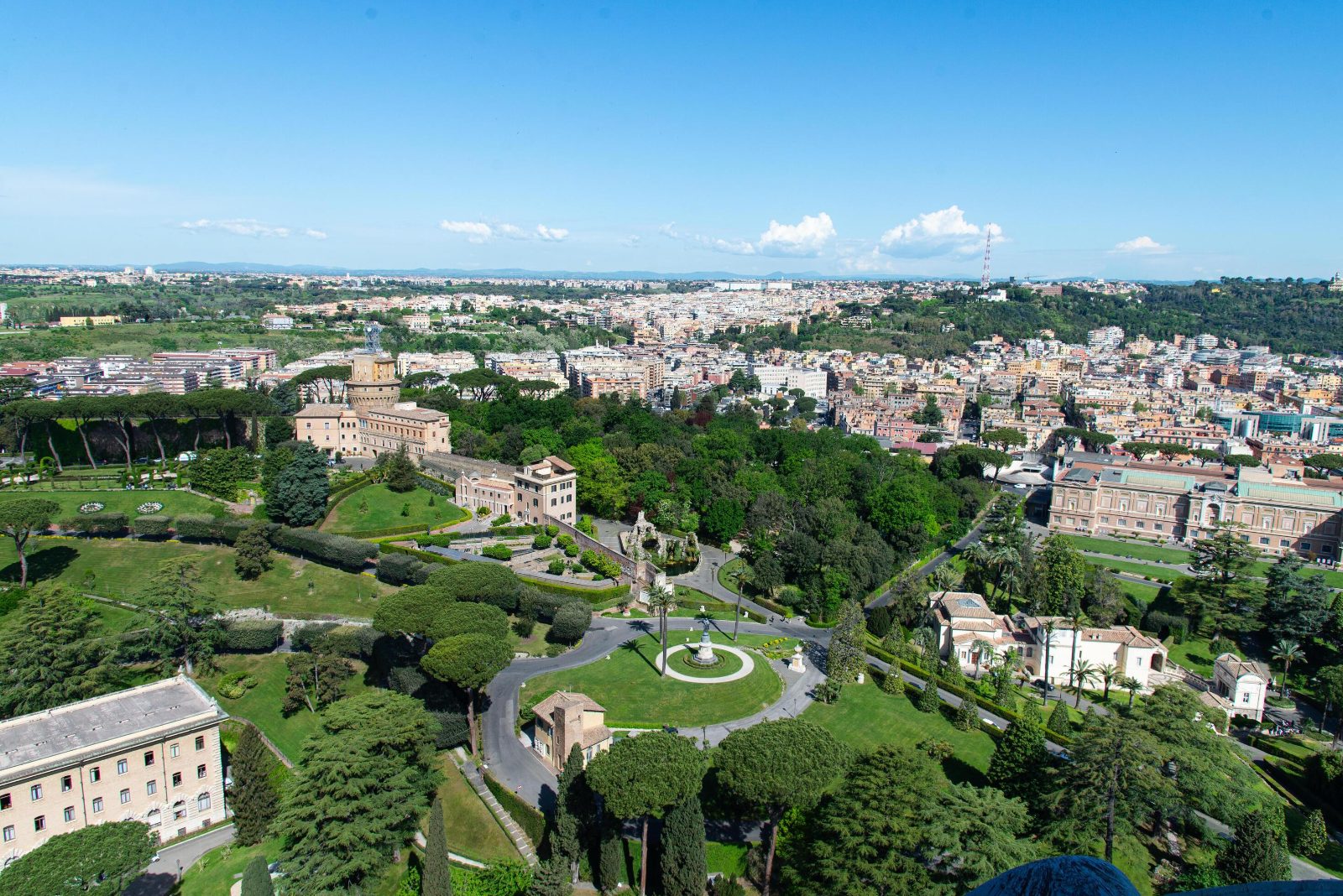
Formal terraced gardens covering roughly half of Vatican City's territory, viewable via a separate guided tour booked in advance.
An upscale residential neighborhood surrounding the Vatican Museums, known for tree-lined streets, boutique shops, and a range of hotel options close to the entrance.
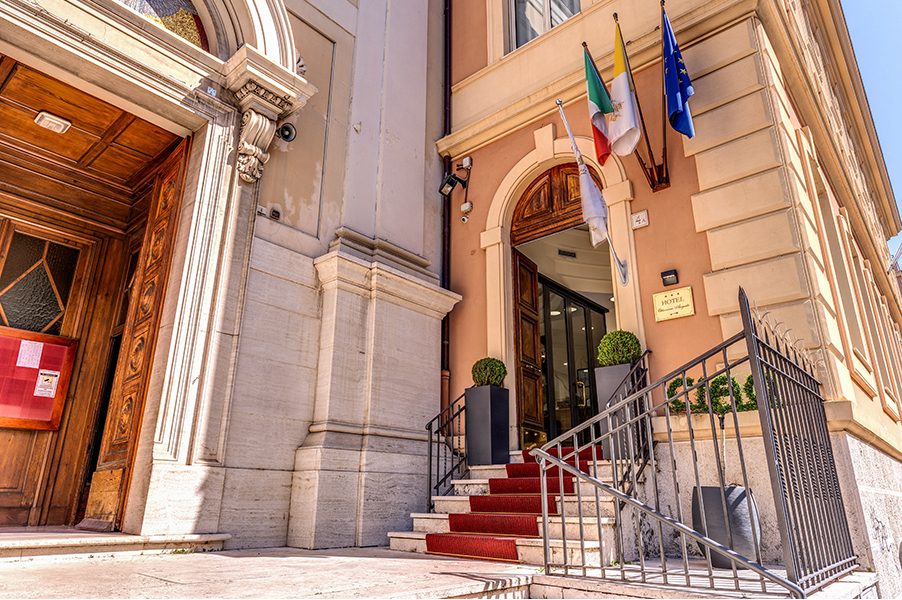
Numerous mid-range hotels cluster around the Ottaviano metro stop, offering quick morning access to the ticket entrance.
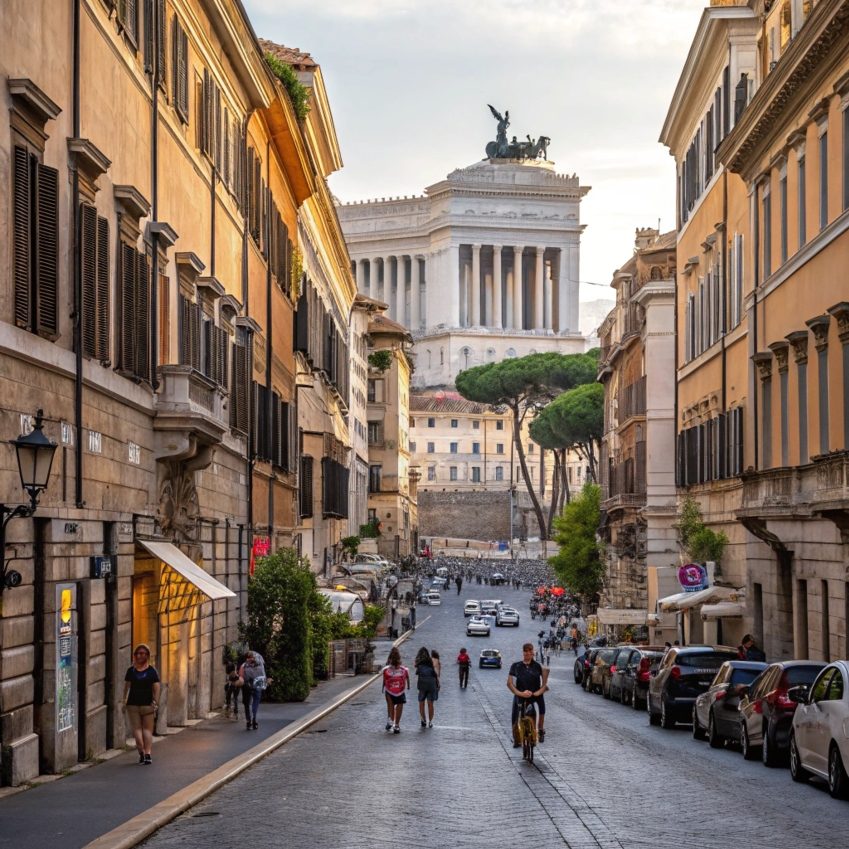
A historic quarter between Castel Sant'Angelo and St. Peter's Square with small boutique hotels in restored buildings.
Rome's main transit hub area offers the widest range of budget accommodations, connected to the Vatican by a direct Metro Line A ride.
Join thousands of happy travelers who have discovered this incredible experience
Book Your Experience Now